
Ranveer Singh’s Dhurandhar 2 Box Office: Aditya Dhar Shuts Down Pakistan Ban with Viral Response ‘Farak Nahin Padta’

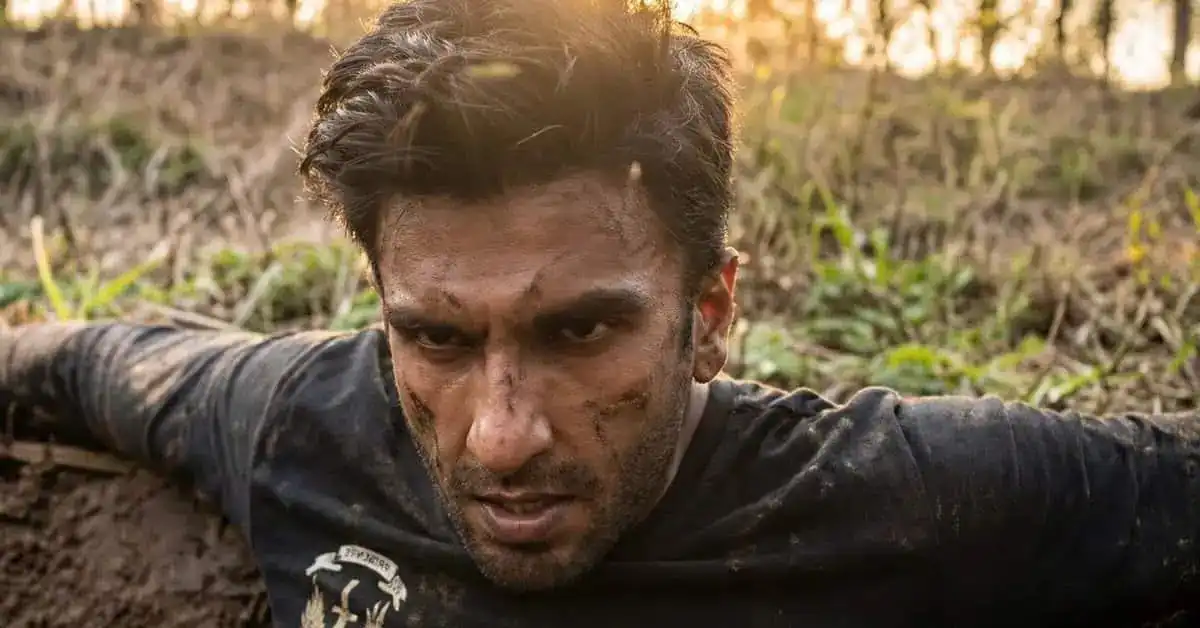
Ranveer Singh’s Dhurandhar 2 Box Office: Aditya Dhar Shuts Down Pakistan Ban with Viral Response ‘Farak Nahin Padta’
Mumbai, Tuesday, March 10, 2026: The air in Mumbai’s trade circles is thick with anticipation as Ranveer Singh prepares to return as the undercover menace, Jaskirat Singh Rangi. But as the March 19 release date for Dhurandhar 2: The Revenge nears, a familiar ghost has returned to haunt the production—a complete ban in Pakistan and several Gulf nations.
While most filmmakers would break into a cold sweat over losing a massive chunk of overseas revenue, director Aditya Dhar has just delivered a masterclass in ‘not giving a damn.’ A resurfaced video of the director has gone viral where he bluntly states, “Mujhe koi farak nahin padta” (It doesn’t matter to me), effectively silencing the noise surrounding the film’s controversial narrative.
This isn’t just a director being arrogant; it is a calculated reflection of a man who has seen his previous work reach the very people who banned it.
When the first Dhurandhar dropped in December 2025, it didn’t just break the box office; it broke the internet in Pakistan. Despite a strict prohibition by the establishment, the film reportedly saw over 20 lakh (2 million) illegal downloads within the first two weeks across the border. Dhar’s “Farak Nahin Padta” isn’t an insult to the audience; it’s an acknowledgement that in the digital age, a theatrical ban is merely a suggestion, not a barrier.
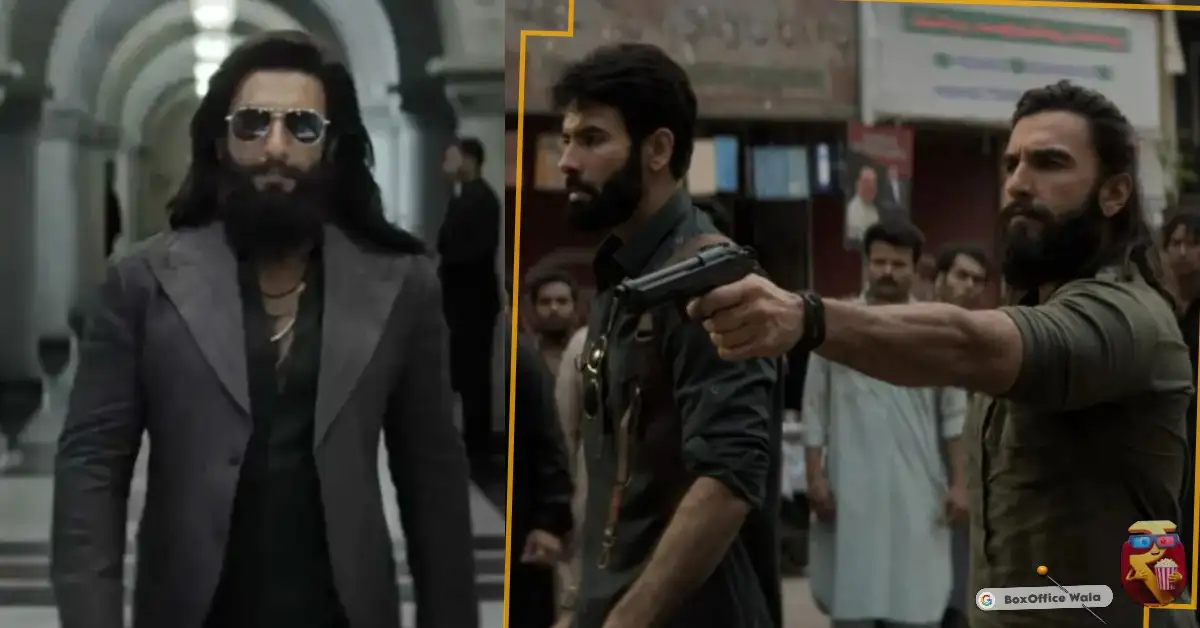
The sequel, which follows Rangi’s rise as the feared “Lyari ka Badshah” after the death of Rehman Dakait, is already doing what many thought impossible. It is currently winning the pre-booking game with ticket prices in premium Indian multiplexes touching a staggering ₹3,100.
Trade analysts are predicting an opening day of over ₹100 crore if the paid previews on March 18 are included. This massive domestic demand has fundamentally shifted the power dynamic. Bollywood is no longer holding its breath for a Pakistan release to hit the ₹1,000 crore mark.
According to a detailed report by Jagran, Aditya Dhar’s viral statement actually dates back to the release of ‘Uri: The Surgical Strike,’ where he argued that his films are against terrorism, not the people of any country. Dhar’s logic remains consistent: if the audience trusts the storytelling, they will find a way to watch it. The fact that this video is trending again just as Dhurandhar 2 faces a similar fate in the Middle East shows how the narrative of ‘Nationalism vs. Global Box Office’ has evolved in 2026.
The Piracy Paradox: Why Bans Don’t Work Anymore
To understand why Aditya Dhar is so relaxed, one must look at the “underground sensation” that was Dhurandhar Part 1. While the film was officially blacked out in Pakistan, it became a cultural phenomenon on Telegram channels and VPN-powered streaming sites. The ISI reportedly struggled to contain the digital spread as clips of Ranveer Singh’s “Hamza Ali Mazari” persona were shared as memes across Karachi and Lahore.
This paradox creates a unique situation for Dhurandhar 2. By banning the film, the authorities have inadvertently increased its “forbidden fruit” appeal. The more the establishment calls it “negative propaganda,” the more curious the youth becomes. Dhar knows that his film will be watched; it just won’t be paid for in those specific territories. For a film that cost upwards of ₹400 crore (combined with Part 1), losing ₹50-60 crore in potential overseas revenue from banned regions is a small price to pay for the “psychological win” of having your story resonate even with the ‘enemy.’
The Rise of the ‘Infrastructure’ Era in Bollywood
There is a deeper, more analytical observation to be made here about the current mood of the Indian film industry. We are moving away from the era of the “independent superstar” and into the era of the “content empire.” Aditya Dhar isn’t just a director; he is part of a massive ecosystem that includes Jio Studios and B62 Studios.
The industry reality check here is simple: Does a film like Dhurandhar 2 even need the traditional ‘Overseas’ market if the domestic Pan-India reach is this deep?
The film is releasing in Hindi, Tamil, Telugu, Malayalam, and Kannada. It is targeting the South Indian market with as much aggression as the North. By diversifying within India, filmmakers like Dhar have built a “controversy-proof” business model. If Pakistan bans it, the massive pre-bookings in Hyderabad or Bengaluru more than make up for the loss.
Pre-Booking Carnage and the ‘Bade Sahab’ Mystery
The timeline of Dhurandhar 2’s journey to the screen has been nothing short of a war zone. Initially set to clash with Yash’s Toxic, the film now has an open run after Toxic moved to June citing Middle East tensions. Dhar, however, stayed the course. The trailer, which dropped just days ago, has already introduced the high stakes: Jaskirat Singh Rangi is now Hamza Ali Mazari, the man who will decide Pakistan’s future from within.
Fans are currently losing their minds over the identity of “Bade Sahab,” the elusive antagonist teased in the first film. Speculation is rife on platforms like Reddit that Emraan Hashmi might be playing this pivotal role, though the makers have kept this under wraps. This level of intrigue, combined with the “Sher-e-Baloch” rise of Ranveer Singh’s character, has created a pre-release hype that transcends national borders. Whether it’s the ₹3,100 tickets in Mumbai or the VPN searches in Karachi, everyone is waiting for the same thing.
Aditya Dhar’s “Farak Nahin Padta” is ultimately the anthem of the modern Indian filmmaker. It is a statement that says the story is sovereign. If the content is “stratospheric,” as Ram Gopal Varma recently described it, then geographical boundaries and political bans are nothing more than noise in the background of a blockbuster’s roar.
In my view, Aditya Dhar has cracked the code of modern stardom. He isn’t making films to please everyone; he is making films that demand to be seen.
The “Farak Nahin Padta” attitude is exactly what Bollywood needs right now—less apology, more authority.
While losing revenue from Pakistan and the Gulf is a hit on the balance sheet, the “cult status” this film gains by being banned is worth its weight in gold.
My expertise tells me Dhurandhar 2 will not just break records; it will redefine how we look at ‘Global’ cinema. We are looking at a potential ₹1,500 crore worldwide grosser that doesn’t need a single theatre in Pakistan to get there. The real question isn’t whether they will ban it, but how fast they will pirate it.
Original Source: First reported by MensXP and confirmed via viral video archives analyzed by Jagran and Hungama Express.
Question For You: Do you think Indian films should stop worrying about international bans and focus only on the domestic ‘Pan-India’ market? Drop your thoughts in the comments!
Join BoxOfficeWala
Get Box Office Updates directly on WhatsApp from your personal Box Office Insider.
You May Have Missed


About the Author

Nitesh Mishra
— Business Analyst (Since 2017)
As a Movie buff with years of experience in film blogging, writing and box office analysis, I specialise in delivering accurate box office insights, movie updates OTT deals and Business Insights. [X, Instagram, Reddit, Threds]