
O’Romeo OTT Price vs Box Office Loss: Did Digital Rights Save It?

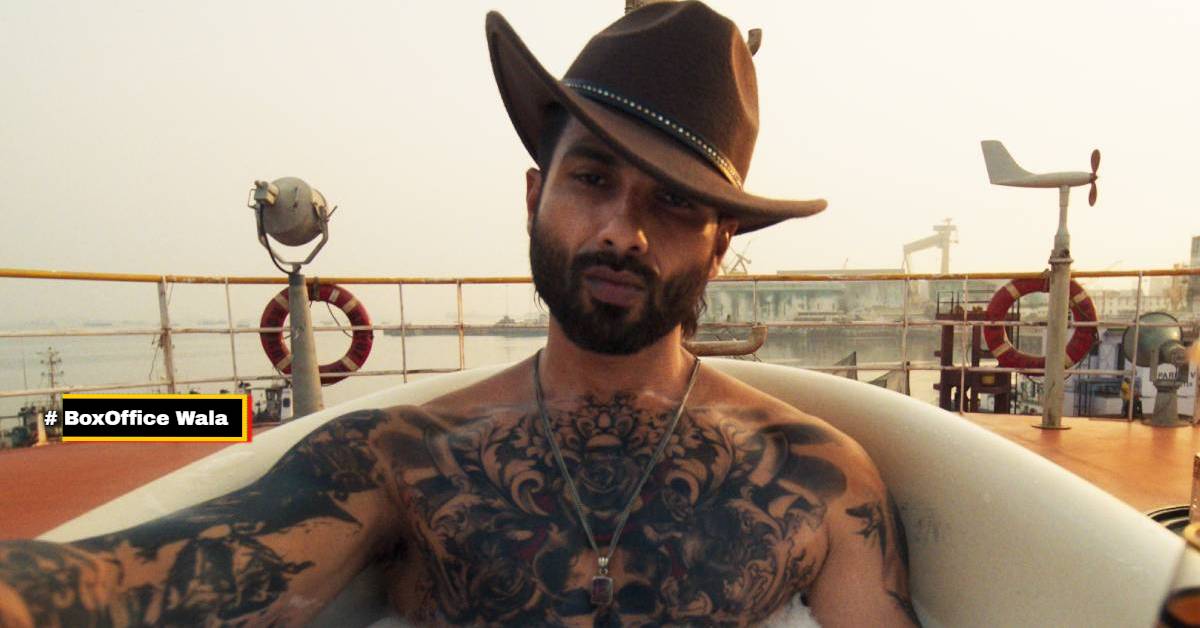
O’Romeo Movie OTT Rights Sold Price, Shahid Kapoor Fees, and Prime Video Release Date
Amazon Prime Video has finalised a massive digital deal for Shahid Kapoor’s O’Romeo. Find out the secret figures and why the rental model is back!
It is Wednesday evening, March 25, 2026, here in Mumbai, and the trade circuits are buzzing with a single name: O’Romeo.
The Shahid Kapoor and Vishal Bhardwaj reunion, which hit the big screens exactly forty days ago, has finally locked its digital fate with a massive streaming giant.
I am hearing that Amazon Prime Video has secured the digital rights for this dark gangster drama in a deal that serves as a vital life support for the producers. This news comes at a time when the theatrical run has almost dried up, leaving behind a trail of mixed reviews and a box office total that struggled to keep pace with its heavy production costs.
The Digital Lifeline for Hussain Ustara
The industry is currently dissecting the numbers behind this acquisition because they reveal a lot about how ‘Star Value’ works in the modern era.
Even though the movie faced rough weather at the ticket windows, the digital and music rights have reportedly been bundled for a combined figure of roughly ₹60 crore. Out of this, a major chunk is attributed to the digital streaming rights alone, which helped Nadiadwala Grandson Entertainment recover a significant portion of their ₹130 crore investment.
It is a classic case of the OTT market acting as a safety net for high-budget experimental cinema that fails to find a massive footing in single screens and multiplexes alike.
The strategic impact of this deal on the gangster-romance genre cannot be ignored.
Vishal Bhardwaj has always been a director of ‘mood’ and ‘atmosphere,’ and while that might not always translate to a ₹300 crore theatrical blockbuster, it is pure gold for streaming platforms.
For Shahid Kapoor, this is a moment of professional reflection as his market value remains high—he reportedly charged ₹45 crore for this role—but the pressure to deliver a theatrical hit remains. The deal ensures that the film reaches a global audience in Spain and the UK, where Shahid’s previous collaborations with Bhardwaj, like Haider and Kaminey, still enjoy a cult following.
According to Republic World, the film is staring at a total loss of nearly ₹37 crore when theatrical shares are balanced against the massive marketing and production spends.
As per trade expert Himesh Mankad, the digital deal was the only way to soften the blow for the distributors who were relying on the Valentine’s Day weekend to pull in bigger crowds.
It is fascinating to see how a film can be a ‘theatrical underperformer’ yet remain a ‘hot property’ for the digital giants who are hungry for high-production-value content featuring A-list stars.
The current mood in the industry is one of cautious scepticism.
Everyone is asking the same thing: Can Shahid Kapoor continue to command a ₹40 crore plus salary when his films are struggling to cross the ₹100 crore mark domestically?
While his performance as Hussain Ustara has been hailed as one of his career bests, the business reality is quite different. Is the Indian audience moving away from dark, artistic gangster dramas in favor of loud, masala entertainers?
The fact that the producers had to resort to Buy-One-Get-One (BOGO) offers just to keep the seats filled tells you everything you need to know about the current theatrical crisis.
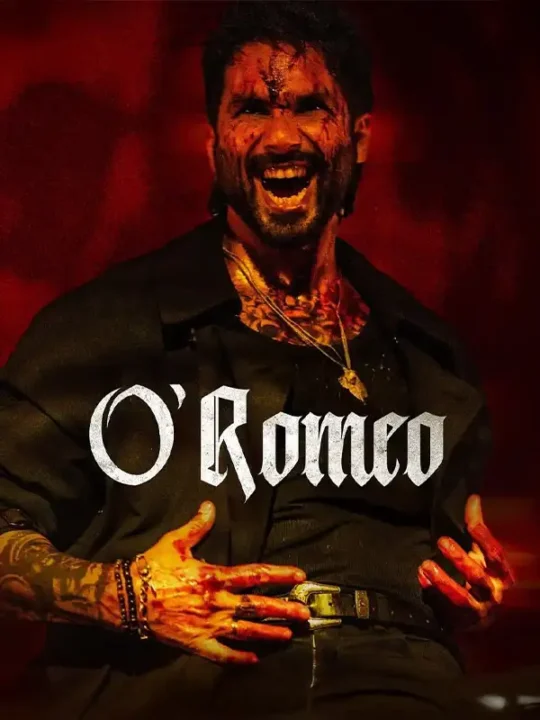
O RomeoDay 133
Breaking Down the O’Romeo Financial Map
To understand why the OTT rights were sold for this specific amount, we have to look at the cold, hard data of the film’s economics. The film was mounted on a budget of ₹100 crore, with an additional ₹30 crore spent on Print and Advertising (P&A), making it a ₹130 crore gamble.
- Cost of Production: ₹100 Crore
- Marketing & P&A: ₹30 Crore
- India Net Collection: Approx. ₹59.50 Crore
- Worldwide Gross: Approx. ₹93 Crore
- Digital, Music & Satellite Rights Recovered: ₹60 Crore
- Total Loss for Producers: Estimated at ₹37 Crore
The digital acquisition by Amazon Prime Video is following a two-phase rollout strategy that we are seeing more often these days.
Starting March 27, 2026, the film will be available on a Pay-Per-View (PPV) model where viewers can rent it for a price ranging between ₹299 and ₹399. If you are not in a hurry, the film will eventually drop for all regular subscribers in the second week of April, likely around April 10.
This staggered release is a clever way for both the platform and the producers to squeeze every last drop of revenue from the ‘obsessive love story’ that failed to set the box office on fire.
The Return of the Rental Model
This deal highlights a major industry shift towards the ‘rental window.’ Platforms are no longer willing to pay astronomical ‘flat fees’ for digital rights if a movie underperforms in theatres.
Instead, they are pushing for these backend-heavy deals where the initial risk is shared. By putting O’Romeo on rent first, Prime Video is testing the waters to see if the Triptii Dimri and Shahid Kapoor chemistry can drive individual transactions before it becomes ‘free’ for the masses.
It is a high-stakes game that might define how mid-budget films are greenlit in the future.
Looking forward, the digital premiere of O’Romeo is expected to do far better than its theatrical run. The film’s 178-minute runtime and ‘A’ rating by the CBFC made it a difficult watch for family audiences in theatres, but these are precisely the factors that make for a great weekend binge at home.
The dark aesthetic, Spanish locations, and intense violence will likely find a more appreciative audience on 4K home screens. As the curtain falls on its theatrical life, the digital world is just getting ready to welcome the Mafia Queens of Mumbai back to the spotlight.
In my professional opinion, this is a bittersweet deal.
For Shahid Kapoor, it proves he is still a digital darling who can fetch a ₹60 crore recovery even on a slow day.
However, for Vishal Bhardwaj, the moderate theatrical performance is a signal that his ‘poetry in violence’ style might need a more commercial tweak to break the ₹200 crore barrier.
The ₹60 crore deal is a win for the production house as it prevents a total financial collapse, but it serves as a warning to the industry: star salaries must eventually align with theatrical footfalls, or the OTT bubble will be the next one to burst.
Nitesh Mishra – Box Office Analyst
Do you think a movie with a ₹130 crore budget can be called a ‘success’ if it only recovers its costs through digital and satellite rights?
Join BoxOfficeWala
Get Box Office Updates directly on WhatsApp from your personal Box Office Insider.
You May Have Missed



About the Author

Nitesh Mishra
— Business Analyst (Since 2017)
As a Movie buff with years of experience in film blogging, writing and box office analysis, I specialise in delivering accurate box office insights, movie updates OTT deals and Business Insights. [X, Instagram, Reddit, Threds]