
Why Amjad Khan’s Son Shadaab Khan Got Rejected From Ranveer Singh’s Dhurandhar Despite a Solid Audition

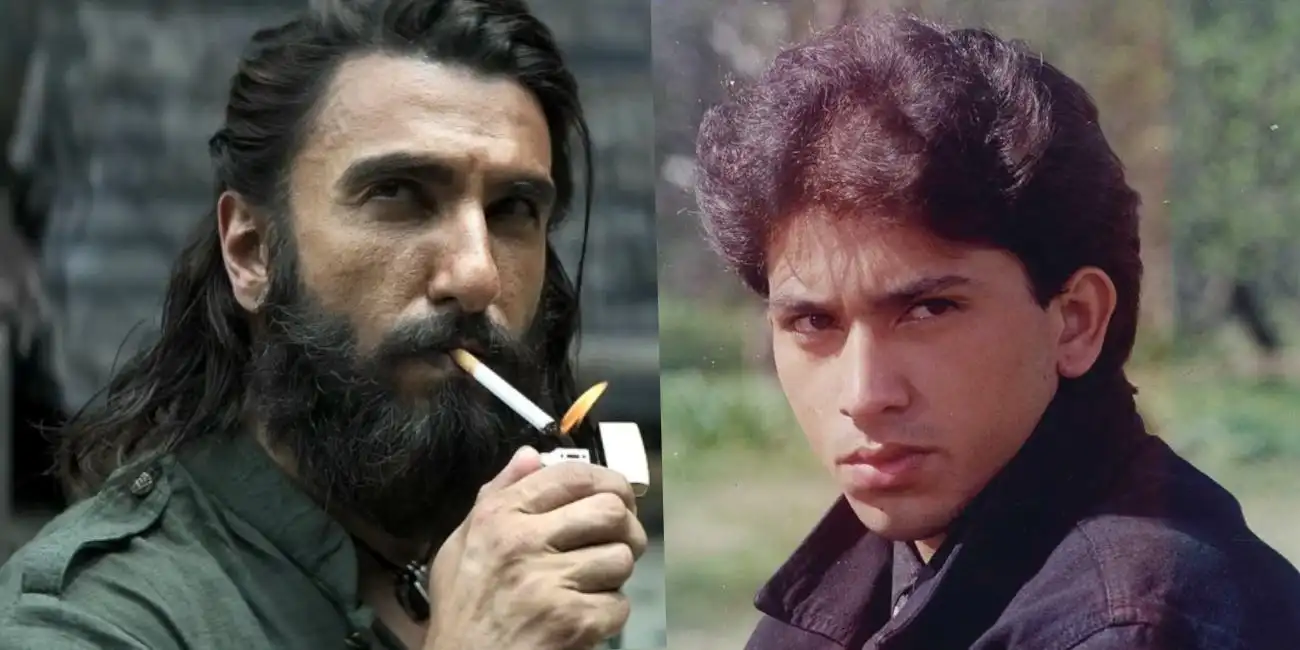
MUMBAI — Let’s talk about the audition hustle that nobody is willing to admit exists in modern Bollywood. While the entire industry is still celebrating the historic box office run of Aditya Dhar’s monster franchise Dhurandhar, a fascinating revelation has slipped through the cracks.
Shadaab Khan, the son of the legendary Amjad Khan, recently dropped a massive truth bomb about auditioning for a powerhouse role in the Ranveer Singh-led blockbuster. He did not get the part, and while mainstream entertainment desks are rushing to print standard rejection templates, the actual narrative here runs much deeper.
It exposes the brutal, algorithm-driven ecosystem that veteran actors and legacy talent are quietly navigating behind closed doors in 2026.
The Multi-Part Blockbuster Opportunity That Missed the Mark
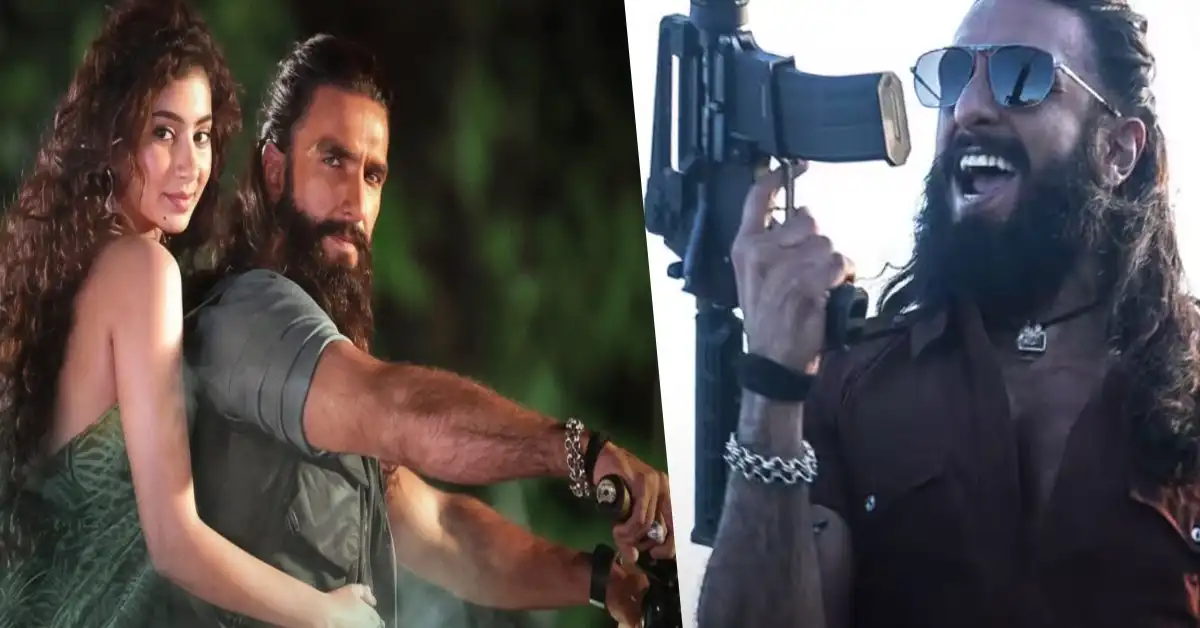
The scale of Dhurandhar is already etched into box office history, with Part One dominating screens in December 2025 and Part Two keeping cash registers ringing through March 2026. For an actor looking to make a substantial splash, a multi-part franchise character is the holy grail.
A recent interview confirmed the casting attempt, revealing that Mukesh Chhabra’s casting agency had reached out to Shadaab for a solid, pivotal character designed to span across both instalments of the film series.
By his own admission, the audition process itself went exceptionally well, leaving him satisfied with his performance. Yet, the final verdict came down to a cold, clinical decision on suitability.
When the snippets of the finalised character eventually hit the public domain after the release, the physical mismatch became obvious. The role demanded a starkly different screen presence, a unique body type, and a specific aesthetic that simply did not align with his physicality.
Rather than harbouring resentment, he chose to look at the rejection as a purely professional call. He even resisted the urge to name the specific character out of respect for the actors who eventually breathed life into those roles and earned their moments of glory.
The Grinding Truth Behind Sixty Auditions
But let us look past the clean, diplomatic surface of a single franchise rejection. The real story begins where the Dhurandhar conversation ends.
A massive commercial hit can afford to cast purely on hyper-specific aesthetic demands, but what happens to an actor when the cameras turn off?
The numbers are now on record, and what they actually signal is a deeply exhausting pattern for legacy performers who refuse to play the modern publicity game.
Since his acclaimed turn as Ajay Kedia in Scam 1992, which should have ideally unlocked doors, the journey has been anything but smooth. The actor has quietly given around 55 to 60 auditions over the last six years for major, heavy-duty roles.
The outcome?
A relentless cycle of getting locked for projects only to be dropped at the finish line, or watching parts go to actors with far less dramatic range.
Even more alarming is a technical detail that most analysts skipped over.
Unlisted audition links on video platforms, meant only for directors, have occasionally racked up nearly a hundred views. This points toward a quiet, systemic practice where raw audition tapes from seasoned actors are reportedly being circulated as reference reels.
In simple terms, the casting ecosystem uses their performances to teach camp-backed actors how to play a scene, while the original actor is left out in the cold.
👇 Receive Box Office Updates, sent directly to your device by your personal Box Office Insider. 👇
👇 Join the inner circle 👇
When Instagram Followers Outweigh Acting Lineage
Why does a performer who once debuted opposite Rani Mukerji in Raja Ki Aayegi Baraat find himself in this position?
The answer lies in the shifting currency of showbiz. In the current landscape, talent is no longer just evaluated by the weight of an audition tape. It is weighed by social media engagement, active PR agencies, and proximity to powerful industry camps.
Living completely off the digital grid means an actor does not exist in the daily metrics that studio executives study before greenlighting projects.
When you lack a dedicated management team specialising in manufactured viral moments, your visibility plummets to zero. It is a strange paradox where the son of the man who gave Indian cinema Gabbar Singh is sidelined because he does not possess an optimised Instagram feed.
The industry that Amjad Khan once protected as a fierce leader of the Cine Artists Association has evolved into a space where algorithm metrics routinely override genuine artistic merit.
Redefining Survival in a Camp-Driven Market
Ultimately, this entire episode is a masterclass in professional dignity. It is incredibly easy to get bitter when sixty doors slam in your face, yet the perspective here remains remarkably balanced. The focus shifts naturally toward legacy, survival, and alternative creative outlets.
Instead of waiting endlessly for casting directors to validate his presence, he has quietly carved out an intellectual identity as an author, writing thrillers and chronicling his father’s unmatched cultural impact.
True artistic value cannot be fully metrics-tested by a studio algorithm. The audition circuit might be broken, camp politics might dictate casting sheets, and PR machinery might manufacture overnight stars, but true creative endurance belongs to those who can look a massive rejection in the eye and simply move on to the next page.
The Dhurandhar ship has sailed, but the conversation surrounding how we treat our actors is just getting started.
Join BoxOfficeWala
Get Box Office Updates directly on WhatsApp from your personal Box Office Insider.
You May Have Missed
About the Author

Gulshan Mishra
Journalist
BoxOfficeWala News Desk have experienced reporters and analysts focused Team Lead by our Best Journalist Gulshan Mishra.