
Bibi Payra 2026 Ending Explained: Did Jhuma and Shiuli Actually Escape?


Add BoxOfficeWala on Google
Get the most accurate box office data and movie results directly in your search feed.
Why Everyone Is Talking About The Debu Twist In Arjunn Dutta’s Bibi Payra 2026
KOLKATA — Poila Baisakh just got a massive power boost this year. If you spent your weekend watching the Queens of Tollywood, Swastika Mukherjee and Paoli Dam, finally share the screen, you know exactly why the internet is buzzing.
Bibi Payra is not just your regular holiday comedy. It is a high-speed thriller that leaves you with more questions than answers by the time the credits roll.
Fans are calling it a game-changer for Bengali cinema in 2026. The movie dropped on April 10, and it is already trending like crazy for its sharp twists and complex timelines.
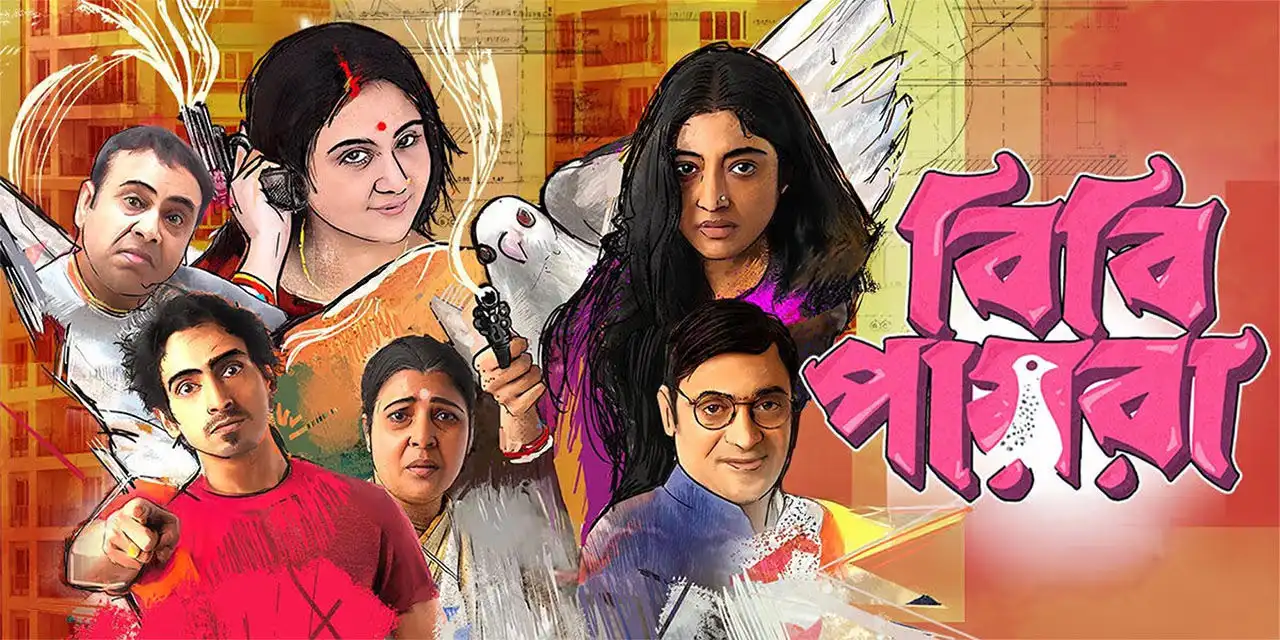
The story follows two women, Jhuma and Shiuli, who are totally fed up with their lives. Jhuma is a frustrated but very intelligent housewife, while Shiuli is sensitive and feels trapped.
They both hit a breaking point and decide to take control of their fate in the most reckless way possible. This leads to a chaotic chain of events that mixes dark humour with intense suspense.
The Breaking Point and the Hidden Timeline
The movie starts by showing us the separate worlds of these two women. Jhuma is dealing with Jagannath, a typical male chauvinist who makes her life a living hell.
On the other side, Shiuli is waiting to taste real freedom. The timeline seems simple at first, but director Arjunn Dutta uses a very clever trick. He makes us believe these two women met by chance.
As per the official synopsis and early reviews, their bold attempt to change their lives leads them into a plan that grows increasingly unpredictable. But here is the real kicker. The movie actually plays with two different timelines that merge right before the interval.
While we think we are watching their present-day struggle, the film slowly reveals that their “secret pact” was formed months ago during a chance encounter at a local jewellery shop.
The Big Twist: Debu and the Opportunist Game
Every good thriller needs a villain you love to hate. In Bibi Payra, that role belongs to Debu, played by Anindya Sengupta. He is described as a very cunning and opportunistic character.
Most viewers thought Debu was helping the women escape their miserable lives. But the big twist reveals that Debu was actually playing both sides to settle his own debts.
Is it fair to say that the women were just pawns in a bigger game?
The audience is currently debating whether Jhuma was truly as intelligent as she seemed or if she was just lucky. This question is what makes the second half so gripping.
The script, written by Arjunn and Ashirban Maitra, keeps the pace fast without using any crass humour.
It feels real.
It feels gritty.
Ending Explained: Did They Really Find Freedom?
The climax of Bibi Payra is where everything comes together on the edge of your seat.
Without giving away every single detail, the ending focuses on a final confrontation involving the male chauvinist Jagannath and the opportunistic Debu. The “Payra” in the title, which means pigeon, becomes a symbol of the freedom these women are chasing.
The final scene shows Jhuma and Shiuli in a vulnerable yet powerful moment. They don’t just run away. They outsmart the men who tried to keep them in boxes. However, the very last shot leaves a tiny window open. Was their bold step a permanent fix, or just the beginning of a bigger chaos? Indulge Express reports that the director succeeded in holding the excitement until the very end.
Bibi Payra is being hailed as a must-watch because it departs from the usual relationship tales and embraces full-on “paisa wasool” entertainment. The chemistry between Swastika and Paoli is clearly the highlight for most fans. It is rare to see two female leads take charge of a thriller-comedy so effortlessly in Tollywood.
Bibi Payra is the wake-up call Bengali cinema needed. It proves that you can tell a serious story about women’s empowerment while keeping the audience laughing and biting their nails.
Swastika and Paoli are a powerhouse duo, and I honestly hope this starts a trend of more multi-starrer female-led thrillers. If you missed it this weekend, go watch it for the “Debu” twist alone!
Gulshan Mishra – Journalist