The “Flop” Savior: O Romeo Flop or Hit? How Shahid & Triptii’s Film Recovered its Cost Despite Box Office Failure

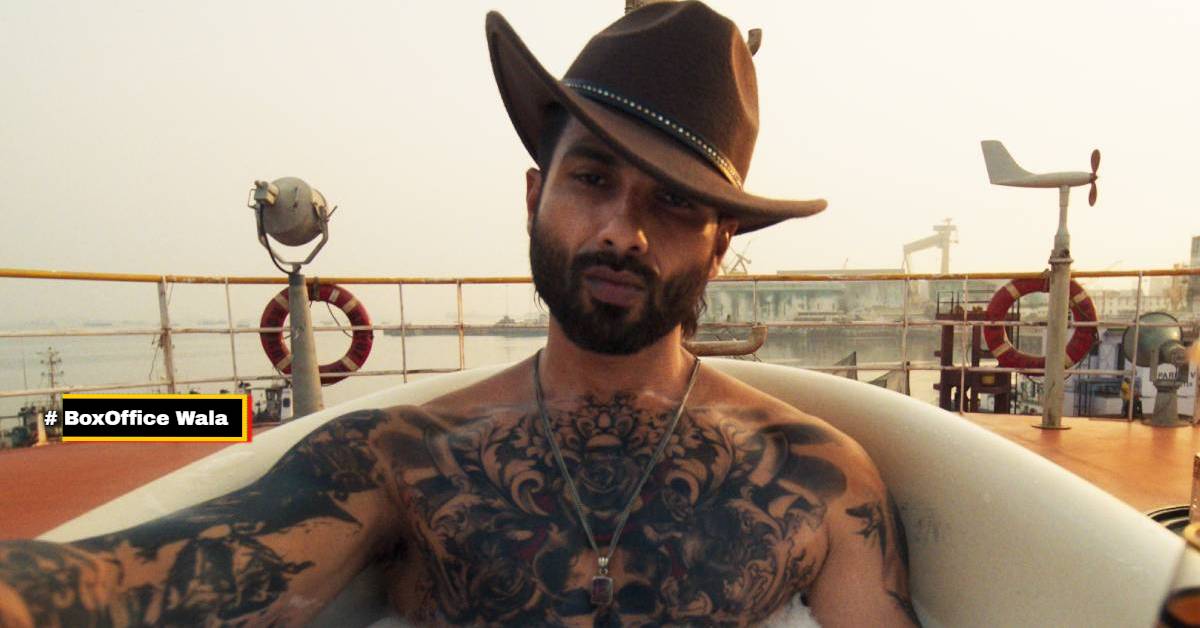

Trust BoxOfficeWala on Google
Get the most accurate box office data and movie results directly in your search feed.
The “Flop” That Made Money: Why Amazon Prime Paid Big For O Romeo Despite The Lukewarm Theatrical Run!
Mumbai, Sunday – The trade offices in Andheri are buzzing this 1 PM afternoon with a single question that is dividing every Bollywood fan group: is a movie a flop if it loses in theaters but wins in the bank?
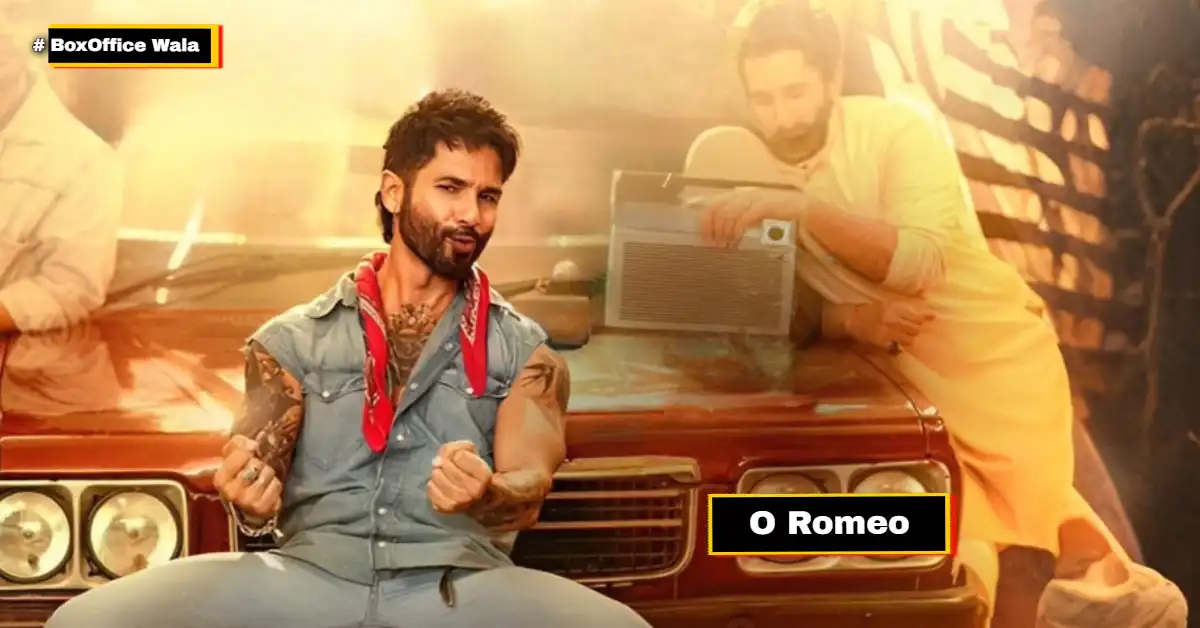
Shahid Kapoor and Triptii Dimri’s intense romantic actioner, O Romeo, has officially completed its 16-day run, and the numbers tell two very different stories.
On paper, the film is struggling with an India net collection of ₹64.92 crore against a humongous budget of ₹150 crore. However, while the “Verdict” on social media says flop, the internal sheets show a “Theatrical-Proof” recovery model that has already shielded the producers from a total disaster. By locking in record-breaking non-theatrical deals for digital, satellite, and music rights, the makers have effectively pulled off a financial heist that most trade analysts didn’t see coming when the first-week numbers crashed.
Why This Financial Magic Matters to O Romeo Producer
This news is a massive reality check for the ongoing fan wars between Shahid Kapoor supporters and the critics.
Usually, if a ₹150 crore film doesn’t cross the ₹200 crore mark in theaters, it is buried and forgotten. but O Romeo is changing the game. This recovery matters because it proves that “Brand Shahid” and the “Vishal Bhardwaj vision” still hold massive value for OTT giants, even if the local single-screen audience stayed home. If you are a fan, you need to understand that the box office is no longer the only scorecard. The industry is watching this closely because if a “flop” can still be profitable, the way movies are greenlit in Mumbai is going to change forever. It makes us wonder—are we entering an era where theaters are just a 2-week marketing campaign for the real release on streaming?
The Producer’s Secret: A Risk-Free Business?
Producers are becoming smarter than the audience. They are selling the “promise” of a film before the audience can even give a review.
O Romeo is the perfect example of a movie that was “safe” before Day 1. But here is the contrarian thought: is this safety killing the quality of our cinema? If a director knows the budget is already recovered through Amazon Prime Video and satellite deals, does the fire to make a “must-watch” theatrical hit start to fade?. Are we paying ₹500 for a ticket just to act as a “trailer” for people sitting at home?
Breaking Down the Numbers
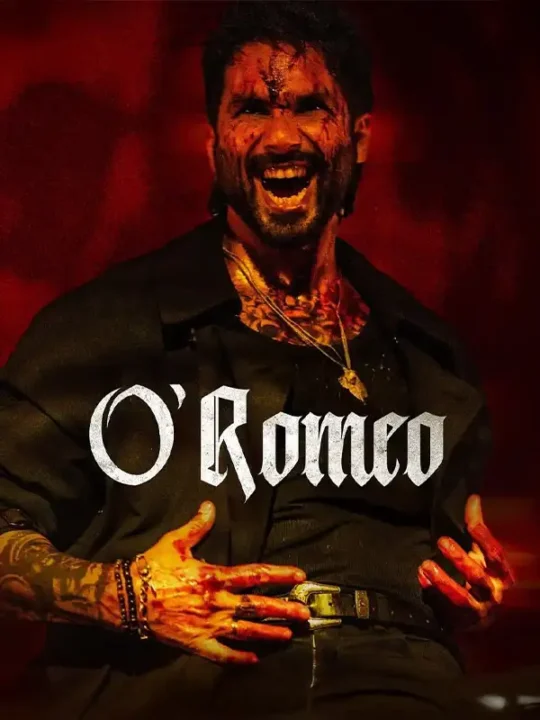
O RomeoDay 16
The structure of this recovery is built on a very specific set of data points that reveal how the money moved behind the scenes.
- “It’s a well-made film… however, the film as a whole didn’t work for me,” says trade analyst Taran Adarsh, reflecting the mixed theatrical sentiment that hindered the box office.
- The film opened on February 13, 2026, with ₹8.5 crore and saw a massive 54% jump on Day 2 to ₹13.1 crore, but it couldn’t sustain the momentum after the first weekend.
- With a worldwide gross of ₹101.21 crore, the theatrical share back to the producers is roughly ₹45–50 crore. To bridge the gap to the ₹150 crore budget, the non-theatrical rights (Digital + Satellite + Music) had to be sold for over ₹100 crore.
- The India net stands at ₹64.92 crore, the overseas gross is ₹24 crore, and the total worldwide gross has just crossed the ₹100 crore milestone on Day 16.
The Day-Wise Collapse and The OTT Rescue
If you look at the day-wise analysis, the story becomes even clearer. The film had a decent Valentine’s Day weekend, but the Day 4 crash of 55% was the final nail in the theatrical coffin. It earned just ₹1.1 crore on its 15th day, showing that the domestic audience has almost completely moved on. According to Bollywood Hungama, the digital rights were pre-sold to Amazon Prime Video in a multi-crore deal that included a “performance-based” clause, which usually lowers the price if the film flops, but Shahid’s global appeal kept the base price high.
The music rights, handled by a top label, also contributed a significant chunk, thanks to the viral recall of the soundtrack. Trade sources suggest that between the satellite deal with a major network and the Amazon premiere scheduled for mid-April, the makers have covered nearly 90% of their landing cost. This means O Romeo isn’t a “sinking ship”; it’s a ship that was insured for more than its worth before it even left the dock.
👇 Receive Box Office Updates, sent directly to your device by your personal Box Office Insider. 👇
👇 Join the inner circle 👇
Looking Ahead: The Future of High-Budget Experiments
We need to stop looking backward at the opening day and start looking forward to the “Streaming Lifetime.” O Romeo is expected to land on OTT in mid-April 2026, and that is where the real “Hit” tag might finally stick. The theatrical window might have been a struggle, but the digital life of this film is just beginning. As more big-budget films like Border 2 and Dhurandhar arrive, the lessons from the O Romeo recovery model will dictate how much risk producers are willing to take on experimental scripts.
From a business perspective, this is a massive win for the producers, but as a cinema lover, it’s a bit of a “bittersweet” victory. It is good news because the producers didn’t go bankrupt, which means they can make more movies. But it’s bad news if it encourages “lazy filmmaking” where the box office doesn’t matter anymore. O Romeo had the soul and the stars, but it lacked the “mass pull.” The recovery through rights is a safety net, but a safety net shouldn’t become the goal.
My Take
Question For You: If a movie makes its money back through OTT but fails in theaters, do you still consider it a “Hit,” or does the theatrical verdict remain the only one that counts?
Would you like me to analyze the upcoming OTT premiere date and the rumored deleted scenes that might be added for the Amazon Prime version?
🔥 Latest Box Office News



About the Author

Join BoxOfficeWala
Get Box Office Updates Directly on Whatsapp from Your Personal Box Office Insider