
Dhurandhar: The Revenge Budget Breakdown: Where the Money Went? Director, Lead, Cast & Crew Salary

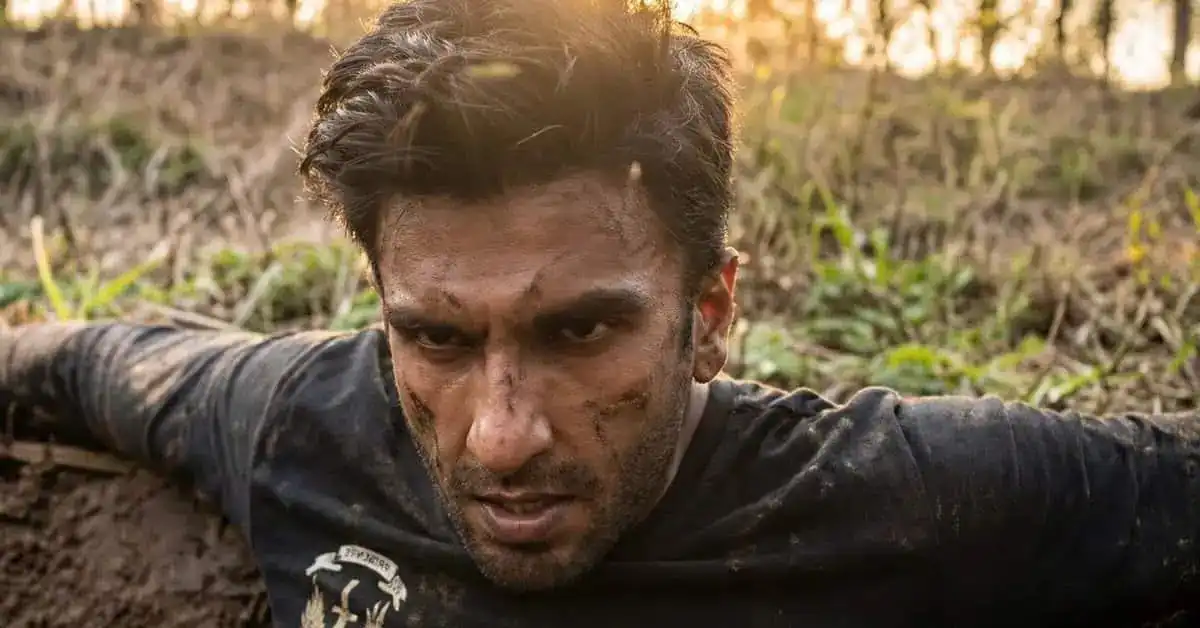
Dhurandhar: The Revenge Budget Breakdown: Lead Actor, Cast Salaries and Director Aditya Dhar’s Vision for the 225 Crore Spy Thriller
Dhurandhar 2 is smashing records, but the real story is in the bank accounts. From Ranveer’s 50cr to the 225cr total spend, find out where the money went!
Mumbai is buzzing today, Sunday, March 22, 2026, as the industry wakes up to the sounds of cash registers ringing louder than ever.
Dhurandhar: The Revenge didn’t just release; it exploded. The first few days have proven that the audience is hungry for spectacle, but behind every explosion on screen, there is a massive pile of cash burning in the background.
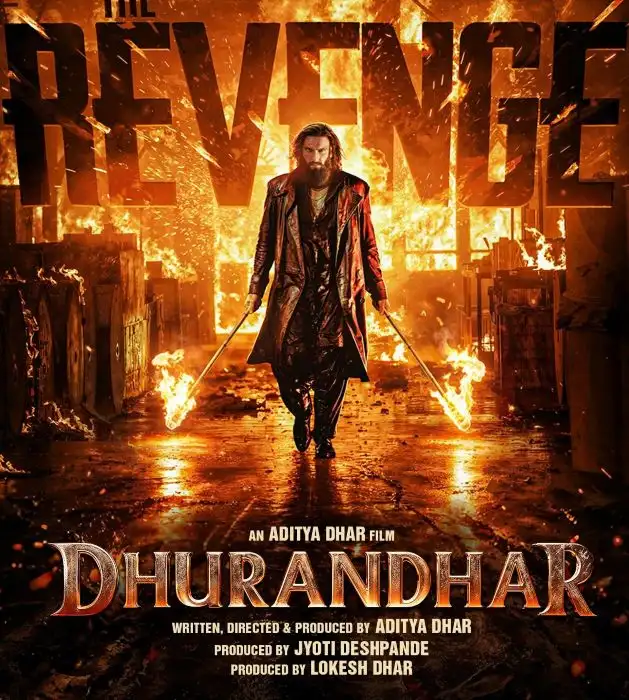
We are looking at a project that cost roughly 225 crore to bring to life, and the way that money was sliced up tells a fascinating story of modern Bollywood power dynamics.
The film serves as a massive milestone for Director Aditya Dhar, who has managed to scale up the franchise into a 1300 crore behemoth since the first part dropped in late 2025.
This sequel is not just a movie; it is a financial juggernaut that has already clawed back nearly 205 crore in net collections within 48 hours. But let’s get into the meat of the matter—the salaries that are making everyone’s eyes pop.
The 50 Crore Man: Ranveer Singh’s Massive Payday
Ranveer Singh is officially the king of the mountain here. Playing the role of Jaskirat Singh Rangi (who later becomes the undercover agent Hamza Ali), Ranveer has reportedly been paid a cool 50 crore. This isn’t just a fee; it’s a statement of his market dominance in 2026. When you realise that the total budget is 225 crore, his salary alone accounts for nearly 22% of the entire production cost.
Why such a high number?
Well, the film requires him to go through intense physical transitions and handle a screenplay that rests almost entirely on his shoulders.
Industry insiders suggest that his ability to pull in a 100 crore opening worldwide justifies the price tag. According to The Financial Express, this makes him the highest-paid member of the ensemble by a massive margin.
The Supporting Pillars: Dutt, Madhavan, and the “Angel of Death”
While Ranveer takes the lion’s share, the supporting cast wasn’t working for peanuts.

Sanjay Dutt, who plays the rugged SP Chaudhary Aslam, reportedly walked away with 10 crore. His character, inspired by the real-life Pakistani officer Aslam Khan, adds that much-needed “mass” appeal to the spy-verse. Then we have the evergreen R Madhavan.
Portraying a character modelled after National Security Advisor Ajit Doval, Madhavan reportedly signed for 9 crore. He even went through a dramatic physical transformation to look the part of a calculated mastermind.
Interestingly, the main villain—the man everyone is calling the “Angel of Death”—Arjun Rampal, reportedly earned 1 crore. It sounds small compared to Ranveer’s mountain of gold, but Rampal’s Major Iqbal is being hailed as one of the most chilling antagonists in recent years.
Young star Sara Arjun, who plays Ranveer’s love interest Yalina Jamali, also fetched 1 crore, a significant jump for her growing career.
Where Did the Rest of the 225 Crore Go?
If about 70-75 crore went into the main cast’s pockets, where is the remaining 150 crore?
This is where Aditya Dhar’s vision comes into play.
A huge chunk of the budget was diverted into high-end VFX and authentic location shoots to recreate the gritty atmosphere of Karachi and Lyari. The film’s runtime is a massive 3 hours and 49 minutes, which means more sets, more action sequences, and more post-production hours.
The film has already recovered 91% of its budget in just two days of its theatrical run. When you add the 245 crore earned from non-theatrical rights like digital and satellite, the producers were actually in the “green” before the first show even started.
Does a lead actor deserve 22% of a film’s budget while the primary villain gets less than 1%? This gap is widening in Bollywood, and while it works for a hit like Dhurandhar 2, it raises a serious question about how we value “character” actors versus “stars” in a 300-crore era.
The narrative of this film’s success is built on the timeline of its incredible pre-sales. It sold over 8 lakh tickets before the first screening. It smashed records in North America, crossing $4 million in opening weekend advances, even surpassing biggies like Animal. The momentum is so strong that analysts at Elara Capital predict a lifetime domestic collection of 1100–1300 crore.
Look, I’ll be real with you—seeing a 49 crore gap between the hero and the villain’s salary is a bit of a head-scratcher. But here is the expertise speaking: Dhurandhar 2 is a textbook example of “Star-Driven Economics.”
Ranveer Singh isn’t just an actor here; he’s the insurance policy.
Producers are happy to pay 50 crore because they know his face on the poster guarantees a 100 crore opening day.
This is great news for the industry because it shows that big-budget original Hindi content can still dominate the box office without needing a South Indian remake.
What’s next? Watch out for the “Bade Sahab” reveal—it’s going to spark a fan war like we haven’t seen since Vikram.
Gulshan Mishra – Journalist
Do you think Ranveer Singh charging 50 times more than the main villain, Arjun Rampal, is fair, or is the “Star System” getting out of hand? Let me know in the comments!
Join BoxOfficeWala
Get Box Office Updates directly on WhatsApp from your personal Box Office Insider.
You May Have Missed




About the Author

Gulshan Mishra
Journalist
BoxOfficeWala News Desk have experienced reporters and analysts focused Team Lead by our Best Journalist Gulshan Mishra.