
Why Dhurandhar 2 Is A Brilliant Mess: Decoding The Errors

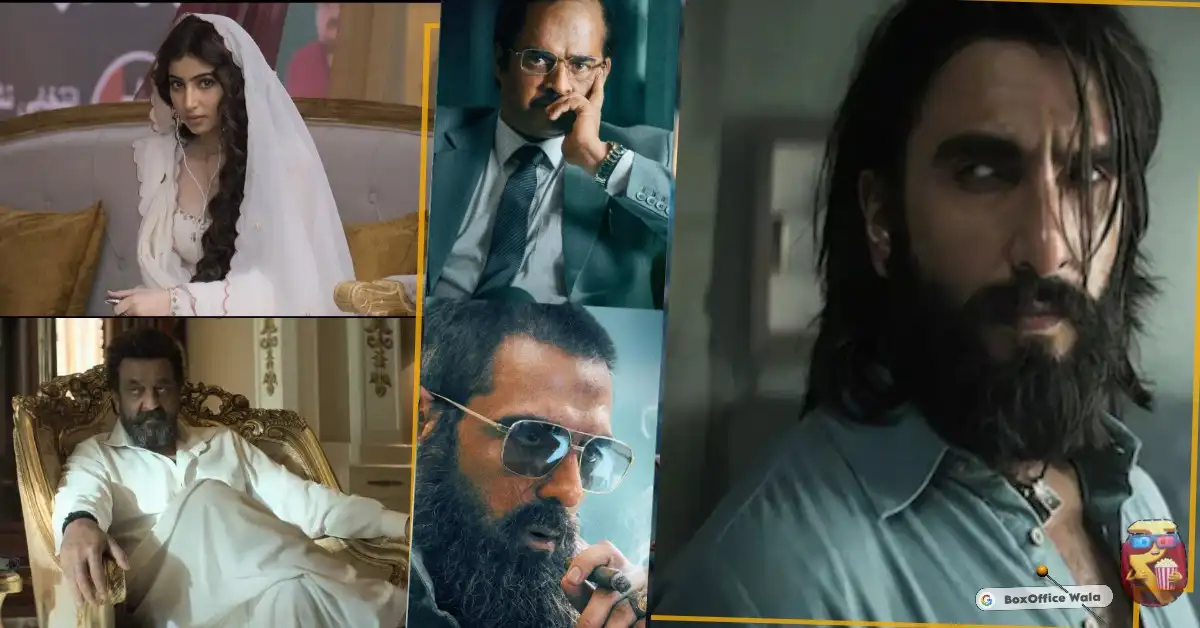
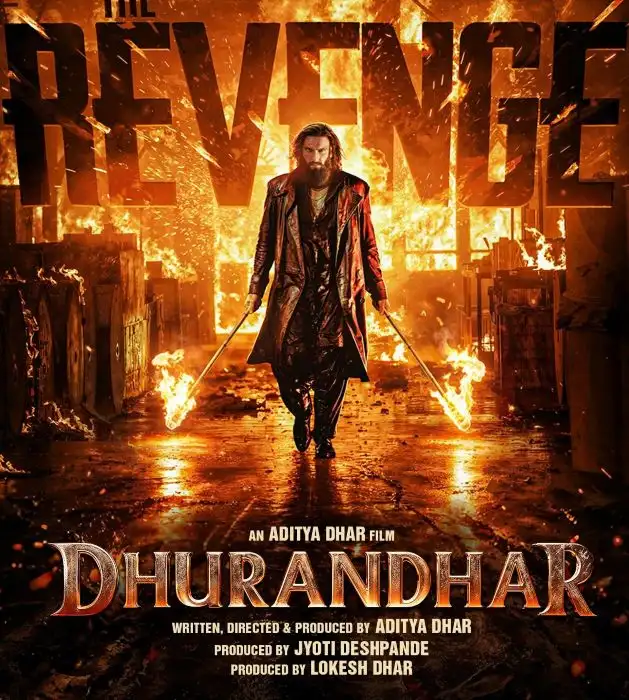
Plot Holes and Continuity Issues in Dhurandhar: The Revenge: A Deep Dive Into Aditya Dhar’s 2026 Action Thriller
Dhurandhar: The Revenge is breaking records, but fans are spotting major logic gaps. Discover the top plot holes and how they should have been fixed!
It is Thursday, April 2, 2026, and the buzz in Mumbai’s film circles isn’t about the box office collections anymore.
Everyone knows Dhurandhar: The Revenge is a monster hit. It has already raked in over ₹1,470 crore globally, cementing Ranveer Singh’s legacy as the ultimate action hero. But as the initial euphoria settles, a different kind of conversation is starting.
Fans are moving past the loud background scores and high-octane sequences to look at the bones of the story. And guess what? The bones are creaking.
The film is a technical marvel, but the writing feels like it was held together by Scotch tape in some places.
The movie is a massive 229 minutes long. That is nearly four hours of spy games, blood, and politics. You would think that with such a long runtime, Aditya Dhar would have covered every base. Instead, we have scenes that defy logic and characters who make decisions that would get a real spy killed in five minutes.
From Karachi’s lawless streets to the political corridors of Islamabad, the narrative jumps through hoops to keep the hero, Hamza (or Jaskirat), alive. It is a classic case of plot armour being thicker than a tank’s hull.
Why Spies Shouldn’t Keep Diaries
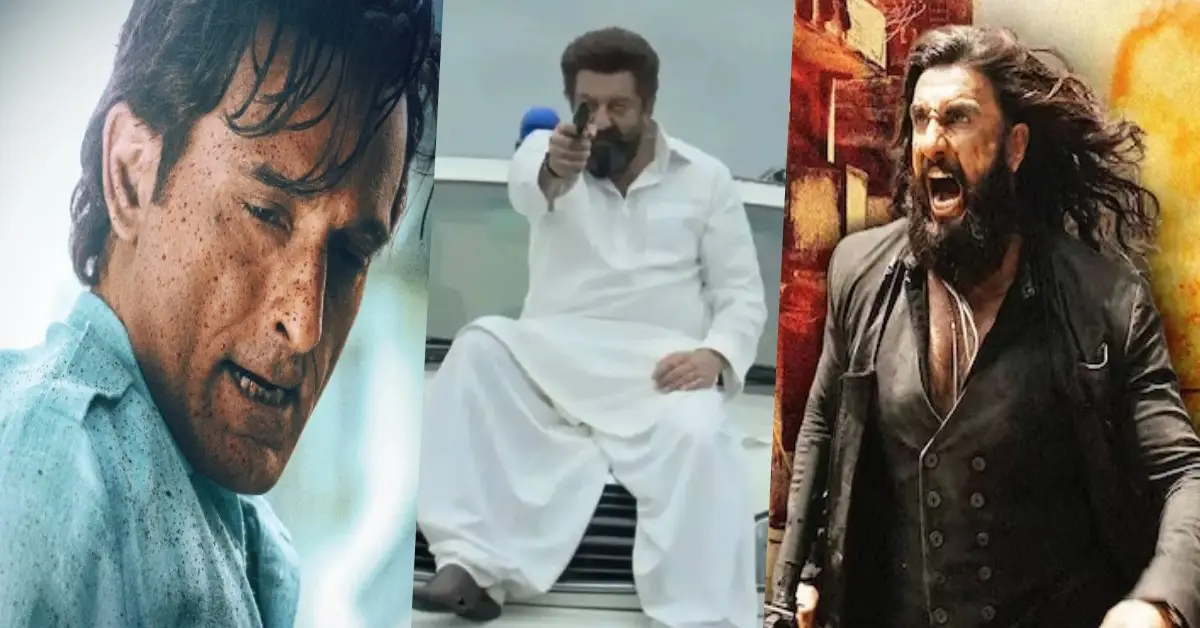
One of the biggest talking points online is the infamous diary scene involving Yalina, played by Sara Arjun.
In a film that tries to be grounded in real-world geopolitics, this felt like a soap opera twist.
According to a detailed discussion on r/BollyBlindsNGossip, the way Yalina discovers Hamza’s true identity is just too convenient. She overhears a conversation, a box falls, a vial breaks, and suddenly she has a list of names. It is lazy.
In a world where Hamza is smart enough to infiltrate a dangerous gang, why is he keeping a physical diary of his targets?
To make matters worse, the film breaks its own rules. It was established that Hamza only writes when Yalina is fast asleep.
Yet, a flashback later shows him scribbling away while she is right there. It is a glaring continuity error that pulls you out of the experience.
According to a review by The Hindu, the film often loses sight of the clock and control, leading to these indulgent but logically weak sequences.
The Fix: Instead of a diary, Yalina should have grown suspicious of the guns Hamza provided during the 26/11 sequence. She is the daughter of a politician; she should have been smart enough to notice the serial numbers or the origin of the weapons. This would have made her discovery an intellectual victory rather than a lucky accident.
The Mystery of the Missing Wife and the Dangerous Video Call
Remember Rehman Dakait’s widow?
She shows up at the funeral, slaps Hamza, and then literally vanishes from the face of the Earth.
In the first film, Rehman’s power was the anchor of the story. His wife’s disappearance without a single move to reclaim the gang or seek revenge is a massive missed opportunity. It feels like the writers just forgot about her because they were too busy planning the next explosion.
Then there is the logic-defying video call. R. Madhavan plays the Director of IB, a character based on the legendary Ajit Doval. In the middle of the movie, he decides to video call Hamza while he is undercover in Karachi. Really? A top-tier intelligence officer would never risk a high-stakes asset’s life for a FaceTime chat. It is a rookie mistake in a professional’s world.
The Fix: For the widow, she should have been the one feeding information to the police or the ISI to take Hamza down. For the video call, they should have used “dead drops” or encrypted digital codes hidden in plain sight, perhaps through the juice shop owned by Hamza’s handler, played by Gaurav Gera. It would have added to the tension of living undercover.
The Pinda Problem and the Bathroom Brawl
Udaybir Sandhu’s character, Pinda, is another casualty of “convenient writing.” He recognises Hamza in a washroom and decides that it is the best place to have a life-or-death struggle. Pinda wants to expose Hamza as an Indian agent, but instead of shouting it out in the middle of a crowded party, he waits until they are alone. This gives Hamza the perfect chance to kill him and keep his secret safe.
This is a classic “villain wait” trope. Why wouldn’t a drugged-up, volatile criminal like Pinda just scream the truth the moment he saw Hamza? It makes no sense for him to wait for a private moment unless he was planning to blackmail him, which the movie doesn’t really explore well.
The Fix: Pinda should have tried to extort Hamza. He should have asked for a massive payout to keep quiet. This would have forced Hamza into a corner where he had to choose between his mission’s funds or his life, leading to a much more tactical and desperate assassination in the washroom.
The Reality of Modern Jingoism
We need to talk about the mood in the industry right now. There is a clear trend of “explainer” cinema where movies are made to justify real-world political decisions.
Whether it is demonetization or surgical strikes, Dhurandhar: The Revenge feels more like a documentation of a specific political playbook than a standalone story. Is the audience okay with logic taking a backseat as long as the “nationalist” high is maintained? Or are we reaching a point where even the most patriotic fan will demand a script that actually makes sense?
The film is currently enjoying a “win after win” streak at the box office, much like its protagonist. But without a “chink in the armour,” as some critics have pointed out, the stakes start to feel artificial. If the hero is always two steps ahead and the villains are always conveniently stupid, the tension evaporates.
Looking Ahead to the Duology’s Legacy
Despite these flaws, the film is a landmark. It has been shown that Indian spy thrillers can compete with global franchises in terms of scale.
Aditya Dhar has created a world that feels lived-in and dangerous, even if the bridge to get there is sometimes shaky. The ending of the film, where Hamza returns home but feels like a stranger, is the most honest moment in the entire 229 minutes. It sets a sombre tone for whatever Dhar plans next.
The fans will keep debating the plot holes, and the numbers will keep climbing. But for the next big franchise, the lesson is clear: you can have the biggest stars and the loudest explosions, but if the diary is in the wrong hands for the wrong reasons, the audience will notice.
Look, I loved the energy Ranveer brought to the screen. He is a beast! But as a “Viral News Analyst,” I have to be honest—the writing in the second half felt like it was rushing to a finish line that was already decided by the history books. It is a “Good News” for the producers because they are swimming in cash, but it is a “Warning Sign” for storytellers.
If we don’t fix these logic gaps, the audience will eventually get tired of the same “convenient” twists. I’m looking forward to seeing if the inevitable spin-offs will be more careful with their continuity.
Which plot hole annoyed you the most: the “Secret Diary” or the “Karachi Video Call”? Drop your logic in the comments!
Gulshan Mishra – Journalist
Join BoxOfficeWala
Get Box Office Updates directly on WhatsApp from your personal Box Office Insider.
You May Have Missed



About the Author

Gulshan Mishra
Journalist
BoxOfficeWala News Desk have experienced reporters and analysts focused Team Lead by our Best Journalist Gulshan Mishra.