
The Bidding War Over Youth 2026: Why OTT Giants Are Opening Their Wallets

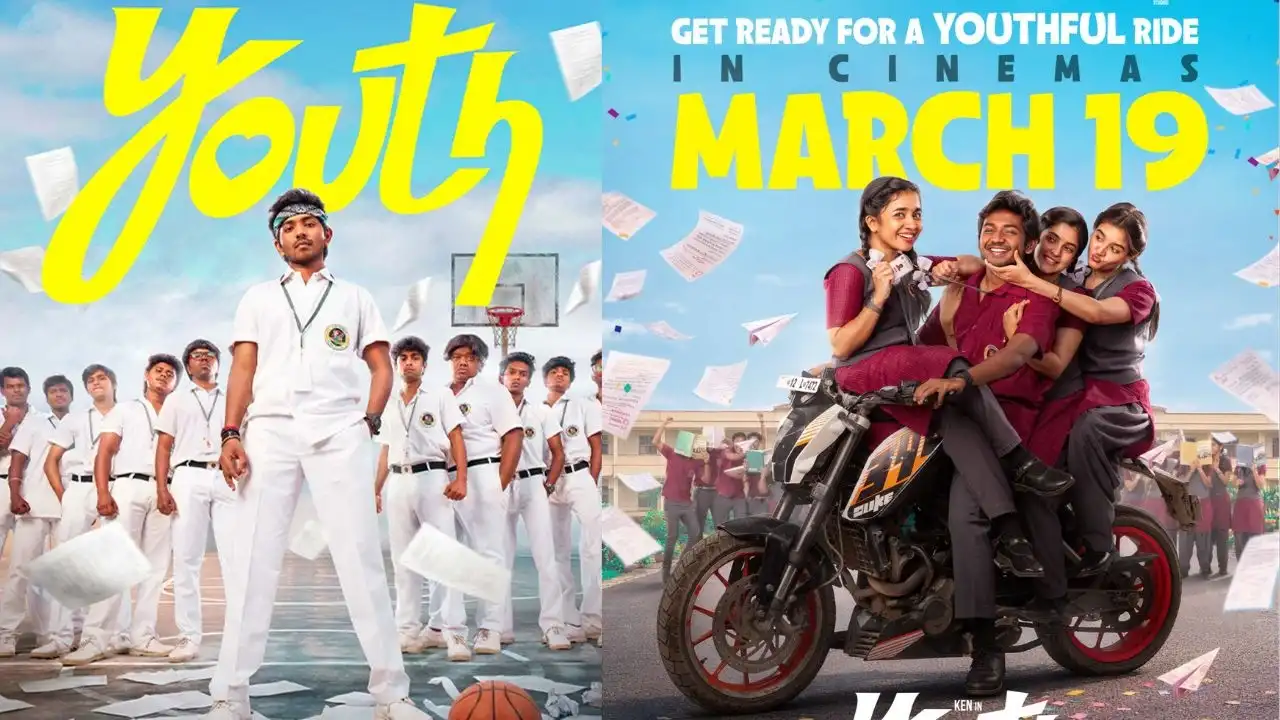
Reporting from the busy trade hubs of Mumbai and Chennai on this Sunday, April 5, 2026. The Indian film industry is buzzing about a small film that has turned into a giant at the box office.
Ken Karunaas’ directorial debut, Youth, released on March 19, 2026, has officially become the sleeper hit of the season.
It started with very low expectations but has now crossed the Rs 49 crore gross mark in India alone. This massive theatrical success has triggered an intense bidding war among top streaming platforms like Netflix, Amazon Prime, and the newly merged JioHotstar.
The financial impact of this deal is huge because it shifts the focus back to the “coming-of-age” genre.
For a long time, producers thought only big action films like War 2 could command high digital acquisition prices. But Youth has proved that relatable, simple storytelling can deliver a massive ROI (Return on Investment).
The theatrical window for this film is still open, yet digital giants are already offering record-breaking sums to lock in the post-theatrical rights. This deal is expected to increase the market value of young actors like Ken Karunaas and Meenakshi Dinesh significantly.
The journey of Youth is a perfect example of a slow-burning success.
When it arrived in cinemas two weeks ago, it had a quiet start. However, strong word-of-mouth recommendations turned it into a “must-watch” for the younger generation. By its second week, the film collected nearly Rs 16.33 crore, which is a rare feat for a non-superstar film.
This momentum has forced streaming platforms to reconsider their pricing strategies for mid-budget content in 2026.
Many trade experts are currently debating whether this is a one-off success or a permanent shift in viewer taste.
Is the audience truly moving away from “mass” spectacles, or is Youth just benefiting from a lack of major competition this month?
While the numbers are great, some analysts wonder if the high prices being offered by OTT platforms are sustainable. Are these platforms overpaying just to capture the Gen-Z demographic? It is a direct question that every production house is asking as they plan their 2027 slate.
The Financial Breakdown of the Youth Bidding War
According to trade reports from Pinkvilla and insider comments by Himesh Mankad, the digital rights for Youth are being negotiated in the range of Rs 18 to 22 crore.
This is a staggering amount considering the film’s modest production budget. For a film that has already netted Rs 42.25 crore in India, a Rs 20 crore digital deal means the producers have already made a profit of over 200%.
Theatrical vs Digital Revenue Split
The current revenue model for Youth looks incredibly healthy.
- Theatrical Gross: Rs 49.2 crore (and counting).
- India Net Collection: Rs 42.25 crore.
- Expected Digital Acquisition: Rs 18-22 crore.
- Satellite Rights: Estimated at Rs 8-10 crore for a leading Tamil channel.
This puts the total recovery at nearly Rs 80 crore for a project that likely cost less than Rs 15 crore to produce. This kind of profit-sharing and backend deal potential makes Youth the most successful ROI project of early 2026.

YouthDay 108
Why Streaming Platforms Are Desperate for Youth Content
In 2026, the OTT market in India has reached 547 million users, but active paid subscriptions are sticking at 99.6 million. Platforms like Netflix and JioHotstar are desperate to convert casual viewers into paid subscribers.
Content that targets the “Youth” demographic is seen as the key to this conversion. Young viewers are more likely to subscribe for a month just to watch a trending film like Youth.
This is why we are seeing such aggressive bidding. The “theatrical window” is being shortened in these negotiations, with platforms pushing for a 4-week release after the cinema run, while producers want to wait for at least 6-8 weeks to maximise box office collections.
The Shift in Digital Acquisition Trends for 2026
The FICCI-EY Media & Entertainment Report 2026 highlights that digital licensing is seeing a focused growth in regional and localised content.
Platforms are no longer just looking for “pan-India” hits; they want “local gems” that have high engagement.
Youth fits this perfectly, as it dominated the Tamil Nadu market with Rs 38.25 crore in gross earnings.
Competition Between Global and Local Players
The competition is not just about the money; it is about prestige.
Amazon Prime and Netflix are battling to show they understand the Indian pulse better than anyone else.
Meanwhile, JioHotstar is using its massive distribution network to keep content exclusive. This bidding war for Youth is a symptom of a much larger war for the Indian living room.
The industry is watching these negotiations closely. If Youth closes a deal above Rs 20 crore, it will set a new benchmark for all upcoming coming-of-age films.
Producers are already pivoting their strategies, moving away from expensive “VFX-heavy” projects to “character-driven” stories that streaming platforms love. The era of the “content-king” is truly back in 2026.
As an analyst, I believe this is fantastic news for the industry.
It proves that you don’t need a Rs 400 crore budget like War 2 to make a massive impact.
Ken Karunaas has shown that understanding your audience is more important than hiring a superstar.
If OTT platforms continue to offer such high prices for “Youth” films, we will see a golden age of creative storytelling in India. This is a win for the producers, the actors, and most importantly, the viewers who want fresh content.
Nitesh Mishra – Box Office Analyst
Do you think small-budget films like Youth are more entertaining than big-budget spectacles like War 2? Let us know in the comments!
Join BoxOfficeWala
Get Box Office Updates directly on WhatsApp from your personal Box Office Insider.
You May Have Missed




About the Author

Nitesh Mishra
— Business Analyst (Since 2017)
As a Movie buff with years of experience in film blogging, writing and box office analysis, I specialise in delivering accurate box office insights, movie updates OTT deals and Business Insights. [X, Instagram, Reddit, Threds]