
Raja Shivaji Ending Explained: Marathi vs Hindi Runtime Twists and Plot Details

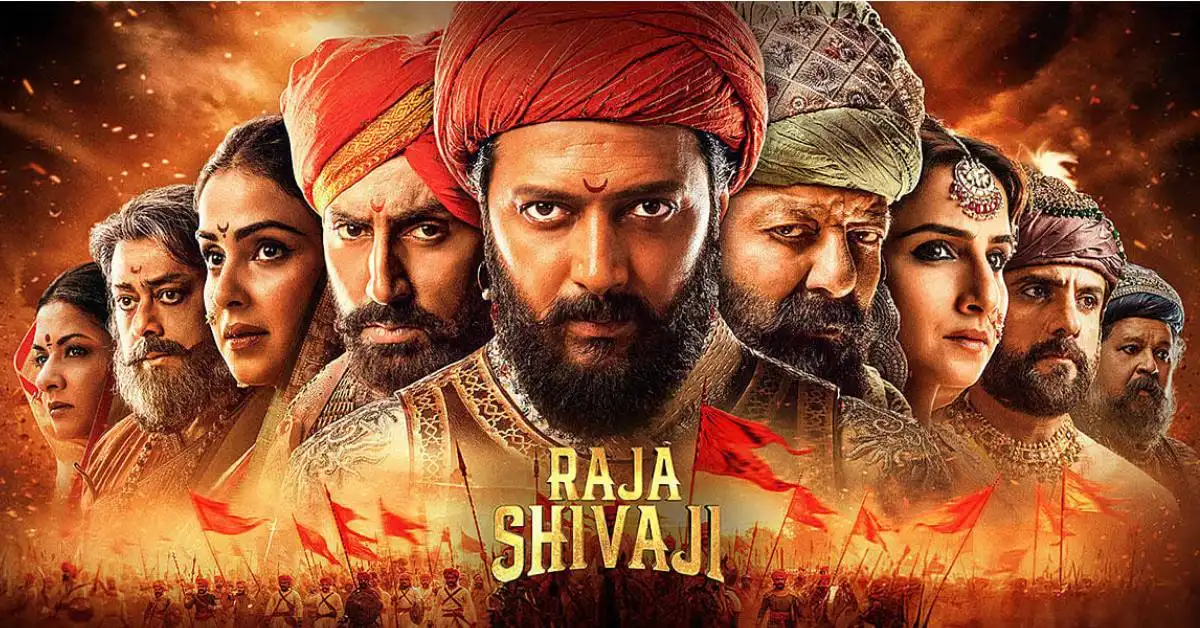
Welcome back to BoxOfficeWala! Gulshan Mishra here, and today we are breaking down the biggest regional explosion of 2026. If you have been living under a rock, you missed the absolute madness that dropped on May 1st.
I am talking about Riteish Deshmukh’s colossal Rs. 100-crore gamble, Raja Shivaji. The theatres turned into stadiums over the opening weekend. People were crying, cheering, and going absolutely feral over that surprise Salman Khan cameo.
But we are not just here to cheer. We are here to decode the hype. Why did the Hindi and Marathi versions feel entirely different?
What exactly happened in that emotionally charged ending?
Let’s rip open the timelines, the hidden plot details, and the box office strategy that makes this historical epic a true game-changer.
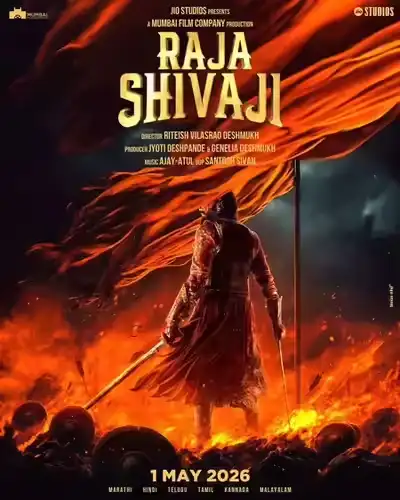
The Broader Context: A Rs. 100 Crore Dream
Before we dissect the story, you need to understand the sheer scale of what Riteish Deshmukh and Genelia Deshmukh pulled off. They did not just make a movie. They mounted an empire. Shot across Mumbai, Satara, Wai, and the breathtaking Western Ghats, the visual ambition here is staggering.
Raja Shivaji went head-to-head with some heavy hitters at the ticket counters. It clashed directly with Junaid Khan and Sai Pallavi’s Ek Din, plus it had to fight off the ongoing wave of Dhurandhar 2: The Revenge and the horror-comedy Bhooth Bangla. Did it flinch? Not at all. The film shattered records with an ₹11.35 crore opening day, claiming the highest first Monday ever for a Marathi film at ₹5.60 crore.
It crossed ₹57.70 crore net in its first week. The Hindi dub alone pulled in an impressive ₹15 crore. These are not just numbers. They are proof that a deeply rooted cultural story can shatter regional boundaries when told right.
The Deep-Dive: Timelines and Character Dynamics
The genius of this movie lies in where the timeline begins. Riteish Deshmukh, wearing the director’s hat, completely avoided the standard biopic formula. Instead of jumping straight to the glorious victories, the narrative drags you through the mud, blood, and brutal massacres that occurred long before the birth of Chhatrapati Shivaji Maharaj.
It forces you to watch the unbearable conditions of the era. This was a masterstroke. By the time Riteish Deshmukh steps on screen as the legendary Maratha warrior, you physically feel the desperation for a saviour. The film brilliantly explores the concept of Poorn Swaraj, mapping out the early struggles against massive empires.
The Foundation of Swaraj
The supporting cast acts as the absolute backbone of this timeline.
We get to see Abhishek Bachchan completely disappear into the role of Sambhaji Shahaji Bhosle, the respected elder brother.
Sachin Khedekar brings immense gravity as Shahaji Raje, while Bhagyashree shines as the revered mother, Jijabai. Every political manoeuvre in the film revolves around these foundational relationships. Add to that the veteran presence of Boman Irani as a 102-year-old Peer Baba and Mahesh Manjrekar playing Lakhuji Jadhav, the prominent nobleman and maternal grandfather.
Genelia Deshmukh delivers a deeply moving performance as Saibai, grounding the emotional stakes of the king’s personal life. The entire ensemble is perfectly placed like chess pieces on a board.
Raja Shivaji Big Twists: Two Languages, Two Different Movies?
Here is the wildest part about this release strategy. According to The Times of India, the makers pulled off a fascinating experiment with the final cut. If you watched the Hindi dub, you actually saw a different edit than the Marathi audience!
The Hindi version is exactly 187 minutes long. The Marathi original runs for 195 minutes.
A full 8-minute difference! Why? Because Riteish wanted to keep the pacing relentless and crisp for the pan-India audience. Meanwhile, the Marathi cut breathes a bit more, lingering on local cultural nuances and historical depths that the home audience craves. It is a brilliant, calculated risk that proves how well the makers understand their varied demographics.
Decoding The Antagonists and The Ending
You cannot have a god-tier hero without a terrifying villain. Sanjay Dutt returns to do what he does best, playing the formidable Afzal Khan of the Bijapur Sultanate. The political tension is dialled up to eleven with Vidya Balan stepping in as Badi Begum and Fardeen Khan making an imposing appearance as Shah Jahan.
The ending does not just wrap up a battle. It solidifies an ideology. After intense face-offs and strategic masterclasses, the climax brings the dream of Swaraj full circle.
It leaves you with a lingering sense of pride, showing the transition from a fierce rebel to an institution of justice. However, the fan reactions have been beautifully honest. While Reddit threads are calling the emotional presentation god-level, many viewers pointed out that the VFX struggled to keep up with the ambition in a few massive battle sequences. The heart overpowered the pixels, but the visual flaws are definitely there.
The Ground Reality: Can It Hold The Fort?
Here is where we look at the raw data. The opening weekend was a literal festival. Earning over ₹37 crore in three days is mind-bending for a regional release. But the weekday drop is a genuine reality check. Thursday closed at ₹4.40 crore.
Is the initial hype dying down, or is this just the normal settling phase for a massive epic?
To hit that projected ₹115 crore lifetime mark, the second weekend needs a monumental jump. The Hindi audience is highly supportive, but the Marathi core needs to hold the line to justify that massive budget.
BoxOfficeWala Take
Let me lay it out straight. Raja Shivaji is a triumph of intent over perfection.
Yes, the CGI wobbly bits might distract the hardcore critics. But the emotional core? It is indestructible. Riteish Deshmukh has proven he is not just a commercial star; he is a visionary storyteller who knows the pulse of his people. That smart 8-minute editing trick for the Hindi audience? Pure genius.
I expect this movie to easily find a cult legacy once it drops on OTT, but for now, you owe it to yourself to experience the roaring background score on the biggest screen possible.
Gulshan Mishra – Journalist
What did you think of the pacing? Did you catch the Marathi version or the Hindi dub, and do you think those missing 8 minutes made a difference? Drop your thoughts in the comments below, let us argue about it!
Join BoxOfficeWala
Get Box Office Updates directly on WhatsApp from your personal Box Office Insider.
You May Have Missed
About the Author

Gulshan Mishra
Journalist
BoxOfficeWala News Desk have experienced reporters and analysts focused Team Lead by our Best Journalist Gulshan Mishra.