
Hombale Films Enters Marathi Cinema With Yeto Ka Naay

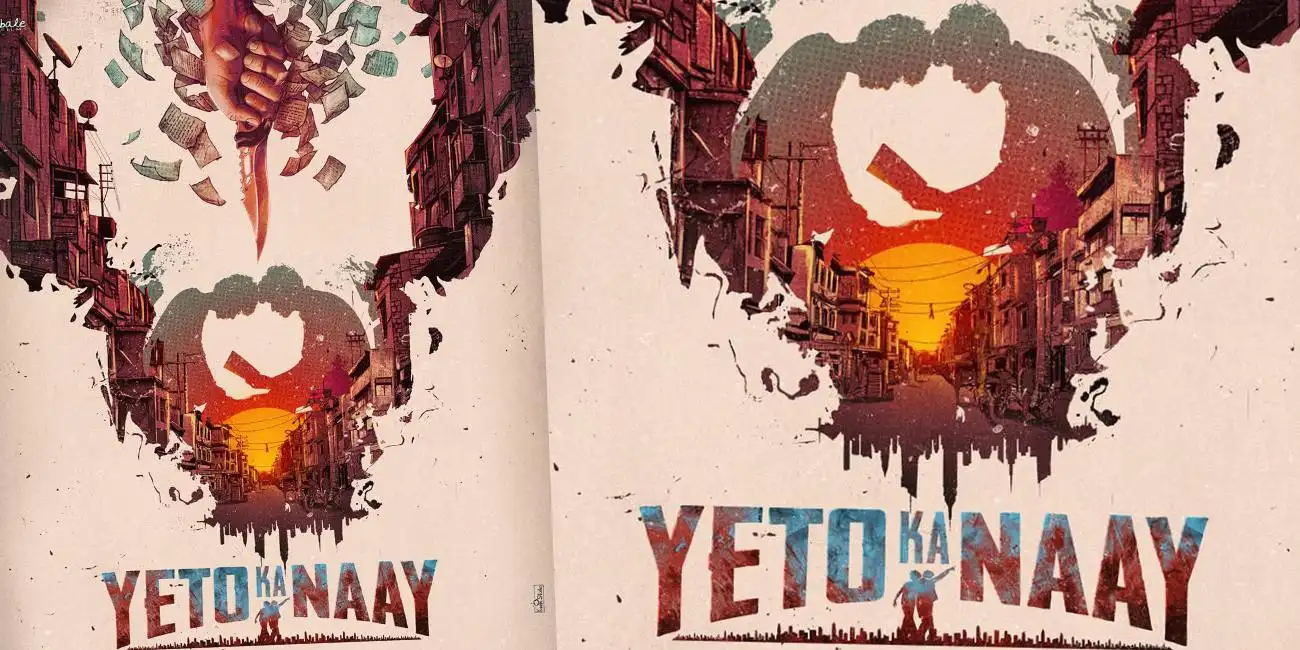
Mumbai — Hombale Films just bypassed the bloated Bollywood ecosystem to drop capital straight into the Marathi-Hindi bilingual market with Yeto Ka Naay.
The studio that built its empire on massive South Indian tentpoles is treating this regional expansion not as an experimental side project, but as a calculated financial strike to capture a high-ROI audience most major players ignore.
We’ve watched traditional Mumbai studios burn hundreds of crores trying to figure out what audiences want post-pandemic. Meanwhile, the architects behind KGF and Kantara are quietly rewriting the investment playbook.
They’re taking the profits from their Kannada and Telugu blockbusters and redirecting them into a demographic that consistently over-performs on a fraction of the budget. This move signals a massive reallocation of capital in Indian cinema.
When a Kannada-first studio decides the Marathi market is its next big growth vector, it exposes exactly where the smart money is heading.
The general consensus in the trade circuits is that you need a 300-crore budget and three superstars to guarantee a theatrical return right now. That assumption is dead wrong. The real money is moving toward mid-budget regional films with immediate crossover potential. Yeto Ka Naay proves Hombale understands market saturation better than executives sitting right in Andheri.
The Math Behind a Regional Crossover
You’ve got to look at the typical capital expenditure of a Marathi film to understand why this is happening. A standard Marathi hit gets made for peanuts compared to a Hombale tentpole. Even when you scale up the production value to accommodate a bilingual Hindi release, the financial exposure remains incredibly low.
Hombale usually deals in nine-figure budgets. They drop massive cash on sets and visual effects before funding massive pan-Indian marketing campaigns. Pumping money into a project like Yeto Ka Naay flips their usual risk-to-reward ratio entirely.
If a massive tentpole fails, a studio eats a huge loss. If a well-marketed Marathi-Hindi film hits even average box office numbers, the profit margins are excellent due to the low entry cost.
They get immediate access to the Maharashtra theatrical circuit. That region boasts some of the highest footfalls in the country for culturally rooted content. Add the Hindi dub to capture the rest of the Northern belt, and the math just works.
Smart money also dictates looking at the backend deals.
A bilingual film instantly triggers a bidding war among streaming platforms looking to fill multiple language libraries with a single acquisition. Hombale knows the digital and satellite rights for a Marathi-Hindi project will likely recover the entire production cost before opening day. That makes the theatrical run pure profit.
👇 Receive Box Office Updates, sent directly to your device by your personal Box Office Insider. 👇
👇 Join the inner circle 👇
Playing Offence on New Turf
This expansion is an aggressive territory grab. Southern studios have already dominated the Hindi-dubbed television and streaming markets for years. Now they are coming for the regional theatrical cash directly.
You probably haven’t thought about it this way. A studio from Bangalore is funding a movie aimed directly at Mumbai’s local language base. They are doing this because the local production houses have largely failed to scale Marathi cinema for a pan-Indian audience. Hombale brings its aggressive distribution network and marketing muscle to an industry that usually struggles with visibility outside its home state.
The plan is clear: keep the budget lean and maximise the screen count across two languages so the content can do the heavy lifting.
Bypassing the Bollywood Machine
Bollywood’s current operating model is broken. Star fees eat up half the budget before a single frame is shot. Hombale is bypassing that trap entirely by investing in the Marathi space.
They don’t need a massive Hindi film star to sell Yeto Ka Naay. The studio’s brand name alone carries enough weight to secure prime exhibition slots. Theatre owners trust the banner. The audience trusts the banner. That kind of brand equity allows them to greenlight projects based purely on script strength and profit potential, rather than star availability.
It is a brutal reality check for the established Mumbai industry. A South Indian production house is showing them how to monetise their own backyard.
The initial announcement of Yeto Ka Naay, first reported via the studio’s official press channels, barely scratched the surface of the underlying financials. This is a brilliant, ruthless business manoeuvre that puts every other major studio on notice.
Rather than just testing the waters, Hombale is setting up a permanent pipeline to extract value from markets others dismissed as too niche.
Join BoxOfficeWala
Get Box Office Updates directly on WhatsApp from your personal Box Office Insider.
You May Have Missed





About the Author

Nitesh Mishra
— Business Analyst (Since 2017)
As a Movie buff with years of experience in film blogging, writing and box office analysis, I specialise in delivering accurate box office insights, movie updates OTT deals and Business Insights. [X, Instagram, Reddit, Threds]