
Dhanush’s Kara Twist: The 1991 Fuel Heist, The Family Betrayal, and That Wild Ending

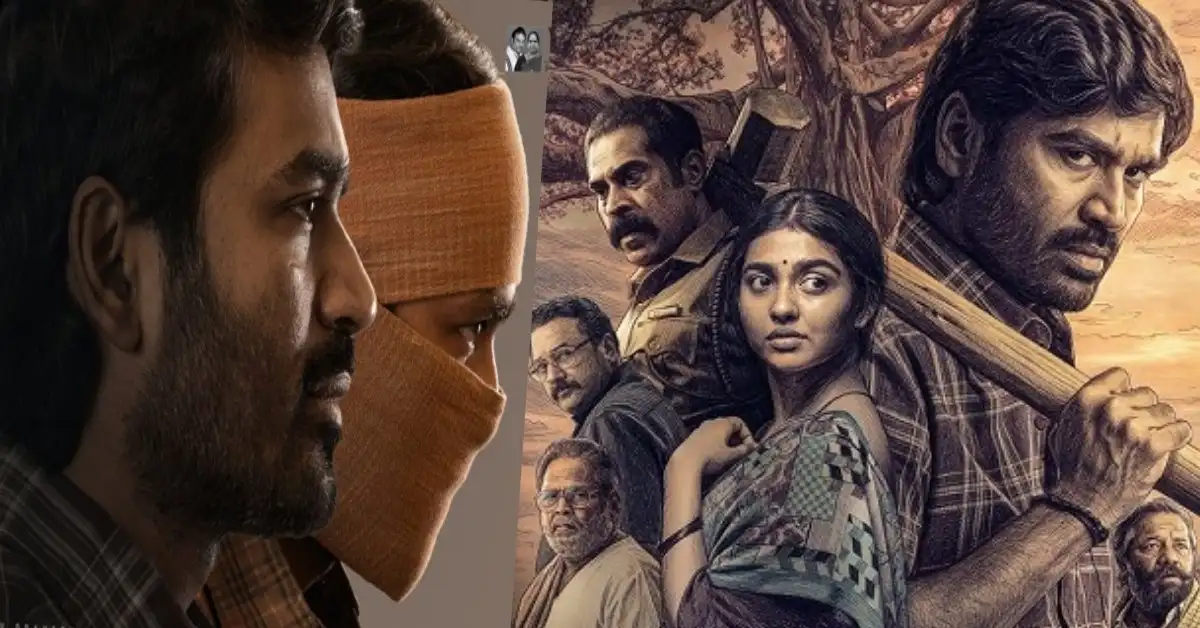
Kara (2026) Movie Full Guide: Explaining the 1991 Timeline, The Big Twists, and Karasamy’s Final Sacrifice
If you walked out of the theatre after watching Kara feeling like you just survived a high-speed chase in a 1990s diesel truck, you are not alone.
Dhanush has this incredible knack for picking scripts that feel like a punch to the gut, and his latest collaboration with Por Thozhil director Vignesh Raja is no different. But let’s be honest, that ending left a lot of us scratching our heads. Between the 1991 Gulf War backdrop and that final, massive explosion at the fuel depot, there is a lot of subtext to unpack.
Why does everyone care about Kara right now? Simple.
It is not just another heist movie. It is a gritty, sweat-soaked look at how a global crisis like the Gulf War can destroy a small village in Ramanathapuram.
We are diving deep into the timelines, that mind-bending final twist, and what that blurry photo at the end actually means for a potential sequel. If you missed the subtle clues about Karasamy’s past, don’t worry, I have got you covered.

The 1991 Timeline and Why the Setting Matters
To understand why Karasamy, played with such raw intensity by Dhanush, does what he does, you have to look at the clock. The movie explicitly sets the stage in 1991.
While the world was watching the Iraq-US conflict, India was facing a massive fuel and economic crisis. This is not just background noise; it is the primary engine of the plot.
The story follows Karasamy, a man who is literally living under a shadow. The name Kara itself carries a heavy weight.
In Tamil, it can mean a stain—representing his criminal past—but it also refers to a shore, hinting at his role as a protector of his coastal community. He starts the film trying to live a quiet life in Renigunta with Selli, played beautifully by Mamitha Baiju. But the 16-day countdown that begins once they return to his village changes everything.
The Big Heist Breakdown: Is He a Hero or a Villain?
Vignesh Raja does something very clever here. He frames the robberies not as simple greed, but as a desperate survival tactic. According to The Hindu, the film presents a cat-and-mouse game between Karasamy and DSP Bharathan, played by Suraj Venjaramoodu. But the stain Karasamy carries is not what we think.
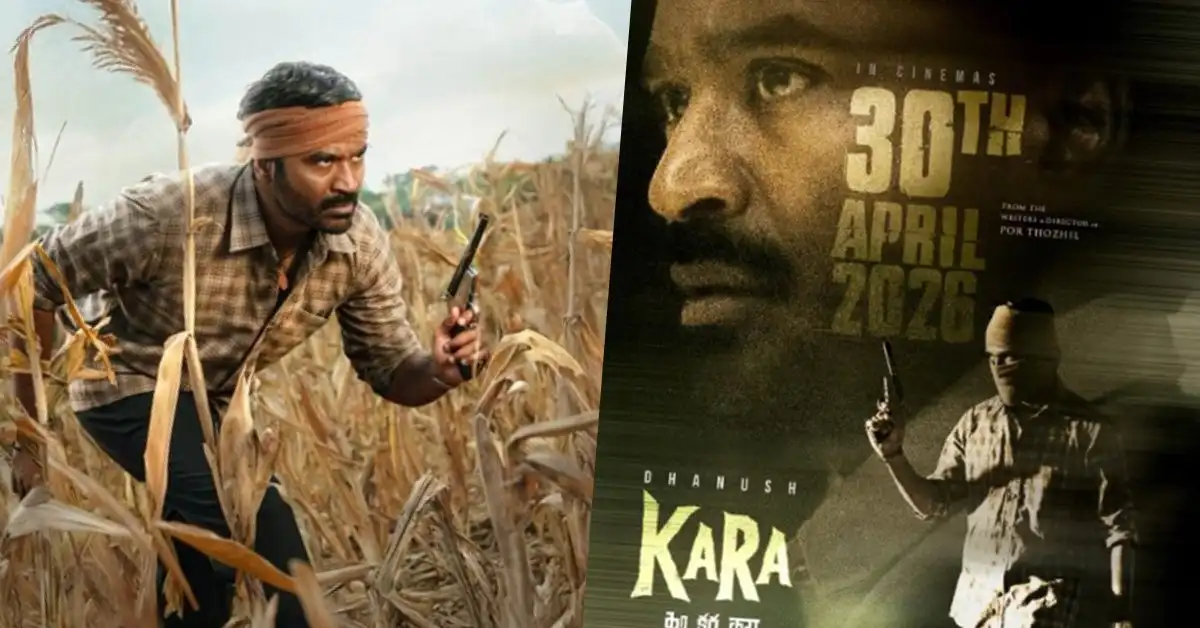
Most people assumed he was just a talented thief who liked the thrill. However, the deep dive into his past reveals that the stain on his name was a sacrifice.
Years ago, there was a massive family betrayal involving his father, played by K.S. Ravikumar. To protect the dignity of his family and the safety of his village, Kara took the fall for a crime he didn’t fully commit. He became the villain so his people could survive.
The mid-film pivot is where things get truly messy.
Karasamy realises his ally, Kandhasaami, is actually the one profiting from the fuel scarcity. He is the one selling the hijacked fuel back to the very villagers who are starving. This turns the heist into a two-front war. Kara has to outsmart a determined cop while dismantling a corrupt local syndicate.
Explaining the Explosive Ending at the Fuel Depot
The final act is a technical marvel of 90s-era sabotage. Kara orchestrates a suicide mission to seize a state-held fuel reserve. This isn’t just about money anymore; it is about breaking the back of the black market. The tension peaks during the final confrontation at the depot.
Many fans were left wondering: Did he actually die?
The answer is a resounding no. While the explosion was massive and left Karasamy heavily scarred, he survived. He doesn’t stick around to be a hero, though. He disappears into the night, becoming a ghost.
As Altbollywood notes, the ending hinges on DSP Bharathan’s choice. The cop realises that while Kara is a criminal on paper, he is the only reason the village didn’t collapse during the fuel crisis. Bharathan lets him slip away, choosing moral justice over the literal law.
The Post-Credits Hint: What Was in the Photograph?
If you stayed until the very last second, you saw it. Karasamy is looking at a blurred photograph of a man in the Middle East. This is the biggest clue for Kara 2.
It suggests that Kara’s history with the military or his life before the 1991 return is tied directly to the oil fields of Kuwait.
The movie hints that his heist tactics aren’t just something he picked up on the streets; they are military-grade. If a sequel happens, we are likely moving away from the rural shores of Tamil Nadu and heading straight into the heart of the Gulf War.
It transforms Kara from a standalone heist drama into a massive, sprawling international thriller.
That Reality Check on the Robin Hood Trope
Here is my honest take on the current buzz. Everyone is calling this a Robin Hood story, but I think that is a bit of a lazy label.
Karasamy isn’t some joyful thief giving out gold coins. He is a man who reaps what he sows. He is violent, he is manipulative, and he is deeply traumatised.
Vignesh Raja isn’t trying to whitewash a criminal; he is showing us that in a broken system, sometimes the only person who can help you is someone who is already broken.
Do we really want our heroes to be this grey, or are we just obsessed with Dhanush playing the underdog?
It is a question worth asking because the film takes a lot of risks in making Kara genuinely unlikable at times before the final redemption hits.
BoxOfficeWala Take
Honestly, Kara is a win for Tamil cinema’s thriller genre.
After the massive success of Por Thozhil, Vignesh Raja had a lot of pressure, and while the film is a bit long at 148 minutes, the payoff is worth it.
Dhanush is in top form here—he doesn’t need ten pages of dialogue when his eyes can tell you how much it hurts to be betrayed by your own father.
The technical side, especially G.V. Prakash’s background score and Theni Eswar’s moody cinematography, makes the 1991 setting feel incredibly lived-in.
My only gripe?
The pace in the first half is a bit slow. But once that 16-day countdown starts, you won’t be able to look away.
If you love slow-burn thrillers that actually have something to say about society, Kara is a must-watch.
Gulshan Mishra – Journalist
What did you think of the twist involving K.S. Ravikumar’s character—did you see the betrayal coming, or were you as shocked as I was?
Join BoxOfficeWala
Get Box Office Updates directly on WhatsApp from your personal Box Office Insider.
You May Have Missed

About the Author

Gulshan Mishra
Journalist
BoxOfficeWala News Desk have experienced reporters and analysts focused Team Lead by our Best Journalist Gulshan Mishra.