


MUMBAI — May 2026. If there is one actor who defines the term global theatrical brand while maintaining a complex relationship with the domestic ticket window, it is Aishwarya Rai Bachchan.
We are looking at a career that has spanned nearly three decades of massive highs and brutal lows.
Her recent association with the Ponniyin Selvan franchise has completely reset her market standing in the 2020s. PS-1 raked in a massive ₹266.54 crore India nett, while PS-2 followed it up with a solid ₹181.96 crore nett.
While these are pan-India numbers driven by the Tamil market, her Hindi circuit presence remains a topic of heavy debate in the trade circles. We are talking about a star who can pull in ₹500 crore worldwide for an epic but struggles to cross the ₹15 crore mark for solo experimental films like Fanney Khan or Jazbaa.
The Director’s Muse vs. The Solo Draw
If you understand the trade logic of the Indian moviegoer, you know they worship the combination of a director and a star.
Aishwarya Rai is the ultimate example of this. When she works with Mani Ratnam or Sanjay Leela Bhansali, the box office registers a massive surge.
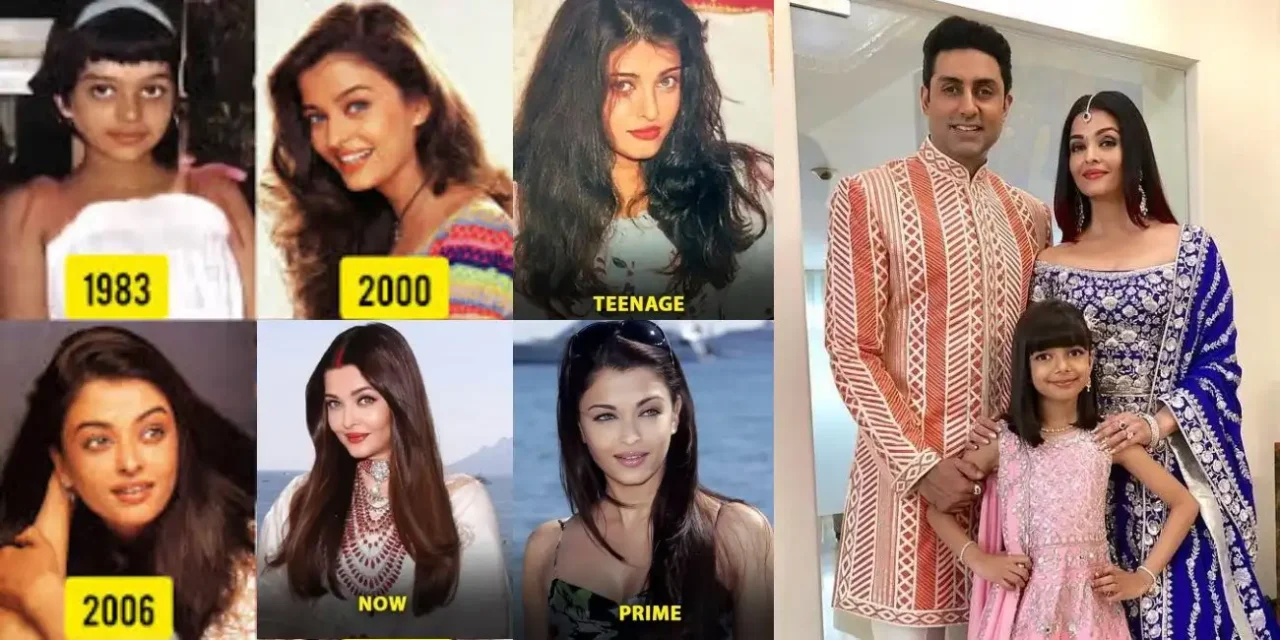
When she goes solo or picks niche scripts, the footfalls often vanish into thin air. This has been the story of her box office report card from 1997 to 2026.
Look at the math. Her collaboration with Bhansali in Hum Dil De Chuke Sanam and Devdas created a theatrical frenzy.
Devdas in 2002 was a massive hit, collecting ₹41.66 crore nett when those numbers were considered astronomical. Similarly, her entry into the YRF camp with Dhoom 2 resulted in a blockbuster verdict with a lifetime net of ₹81.01 crore. But the moment the big director or the franchise tag is removed, the collections drop by a scary margin.
This isn’t just about acting; it is about theatrical viability. The audience in 2026 is ruthless. They want a spectacle or a very high-concept hook to leave their homes.
Here is a hard reality check for the fans. While we celebrate her global appearances, her solo theatrical pull in the Hindi heartland has been on a steady decline for years.
Do you think the average moviegoer in a Tier-2 city would show up for an Aishwarya Rai film if it didn’t have a Mani Ratnam or a massive co-star attached?
The answer, according to recent distributor data, is a resounding no. Her last few solo-led films, like Sarbjit and Jazbaa, both ended up as flops, failing to cross even the ₹30 crore mark domestically. She has become the luxury asset of Indian cinema—perfect for the grand vision of an auteur, but a risky bet for a standalone commercial potboiler.
Breaking Down Three Decades of Numbers

The 90s: Miss World Hype and The Bhansali Breakthrough
The decade started with a jinx. Her debut Aur Pyaar Ho Gaya was a flop with a measly ₹7.26 crore nett.
The trade was quick to label her as a non-commercial face. But then came 1999.
Hum Dil De Chuke Sanam arrived and changed the trajectory of her career. It was a clean hit, collecting ₹24.76 crore nett. She followed it up with Taal, which was a semi-hit and a massive winner in the overseas markets.
Her footfalls in the late 90s were primarily driven by the urban and overseas demographics.
Taal was a blockbuster in the US and UK, proving that the Aishwarya Rai brand was already transcending borders. She ended the decade on a high, but the question of her mass appeal in the single screens of North India remained unanswered.
The 2000s: The Blockbuster Peak and Global Transition
This was her era. She delivered Mohabbatein in 2000, which was a blockbuster with over 2.6 crore footfalls. Then came Devdas in 2002, which consolidated her position as the top actress in the country. But the absolute peak of her commercial career was Dhoom 2 in 2006. It was a blockbuster that netted ₹81.01 crore.
However, this decade also saw a string of disasters. Films like Umrao Jaan, Shabd, and Raincoat proved that the audience was not interested in her experimental side.
Distributor data suggests that Umrao Jaan was a disaster with a lifetime of just ₹7.43 crore. The trade started noticing a pattern: she was a hit in spectacles but a disaster in dramas. She ended the decade with Jodhaa Akbar, a semi-hit that once again proved her compatibility with historical epics.
The 2010s to 2026: The Return and The Pan-India Mastery
After a break, she returned with Jazbaa in 2015, which was a flop. But 2016 gave her another hit with Ae Dil Hai Mushkil. It collected ₹112.48 crore nett, though the credit was largely shared with the ensemble cast and the Ranbir Kapoor factor.
The real surprise came in 2022 and 2023. Ponniyin Selvan: I and II proved that she is still the queen of the grand canvas.
PS-1 grossed close to ₹500 crore worldwide. While the Hindi version only did around ₹25 crore nett, the Tamil version was a historic blockbuster. Early trade estimates for PS-2 showed a similar trend—a steady hold in the South but a decent jump in the North during the opening weekend.
As of May 2026, she hasn’t had a major Hindi release since Fanney Khan (2018), which was a flop with only ₹10.55 crore nett. This five-year gap in the Hindi market has made her theatrical brand more niche than ever.
BoxOfficeWala Verdict: The Final Trade Take
My verdict is simple. Aishwarya Rai Bachchan is a legacy superstar who is now strictly in the quality over quantity phase.
She is no longer competing for the number one spot in Bollywood. Instead, she has carved out a space as the most viable face for high-budget, pan-India epics. Her box office report card shows that she is a massive asset for directors like Mani Ratnam, where her visual grace matches the scale of the storytelling.
Looking forward, her lifetime collection will continue to be bolstered by South-led pan-India projects. But if she tries to return to the Hindi commercial space with a solo drama, the distributors will be very cautious.
She needs the support of a big banner or a visionary director to guarantee footfalls. For the producers, she is a high-cost asset that requires a massive marketing push to break even. This is a good time for her to stick to the Ponniyin Selvan template of cinema.
Nitesh Mishra – Box Office Analyst
Out of all her massive collaborations, do you think Aishwarya Rai Bachchan would have been a bigger box office draw if she had stuck to commercial masala films like Dhoom 2, or was she right to pivot towards the grand epics of Mani Ratnam?
Drop your thoughts in the comments!
About the Author

Nitesh Mishra
— Business Analyst (Since 2017)
As a Movie buff with years of experience in film blogging, writing and box office analysis, I specialise in delivering accurate box office insights, movie updates OTT deals and Business Insights. [X, Instagram, Reddit, Threds]