

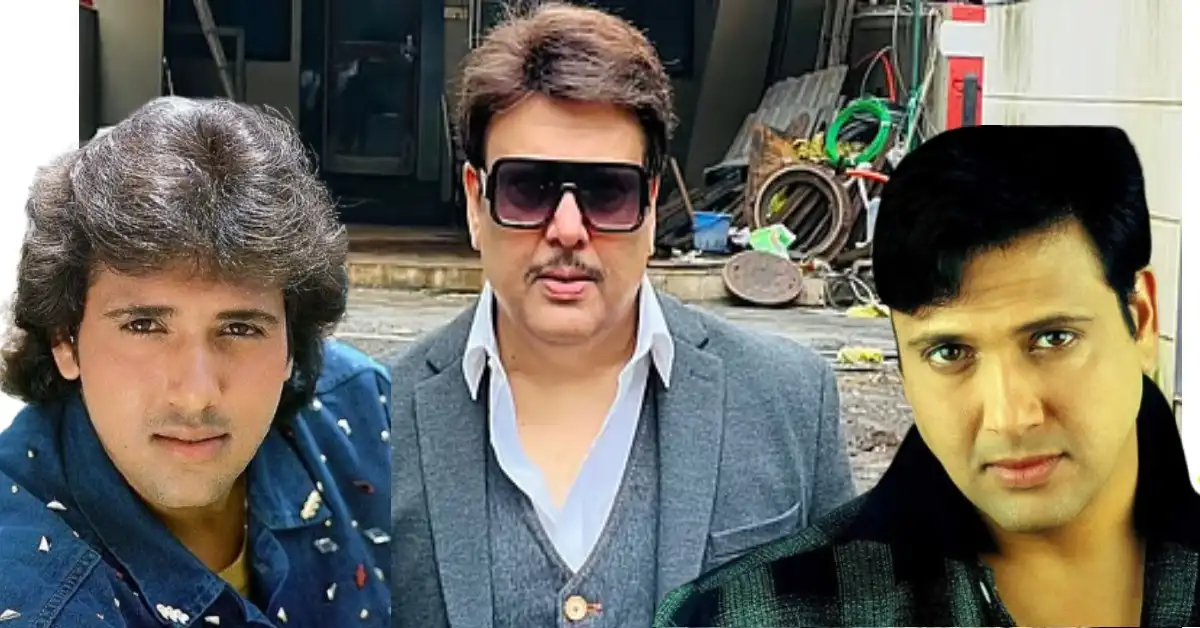
MUMBAI — April 24, 2026. Listen to me very carefully because the numbers I am about to drop will remind you why they once called him the unmatchable hero of the masses. We are sitting in a year where the industry is chasing high-concept scripts, but the ghost of Govinda’s box office dominance still haunts every Friday release.
Govinda’s career between 1990 and 2026 is a wild rollercoaster of all-time blockbusters and microscopic washouts.
While the modern trade focuses on pan-India spectacles, the era of Aankhen (1993) remains the gold standard for pure, unadulterated footfalls. With a staggering 2.85 crore footfalls for Aankhen alone, Govinda established a monopoly over the single screens that no actor since has been able to replicate in the comedy-action genre.
The Context: The No. 1 Monopoly Of The Nineties
If you understand the psychology of the Indian moviegoer in the 90s, you know that the Hero No. 1 brand was more than just a title; it was a theatrical insurance policy.
Between 1993 and 1999, Govinda was essentially a one-man industry. The trade logic was simple: if you had Govinda and David Dhawan on the poster, the opening weekend was already a Hit in the bank.
According to distributor data, his peak saw him delivering six to seven releases a year, a volume that today’s superstars wouldn’t dare to touch.
But here is the reality check for the purists. Was every Govinda film a masterpiece? Absolutely not. But in the 90s, the occupancy rates in the B and C tier centres didn’t care about logic; they cared about the Jagadamba style energy.
We are looking at a period where Raja Babu (1994) and Coolie No. 1 (1995) were drawing in over 1.5 crore footfalls each, effectively carrying the theatrical economy on their shoulders.
However, as the millennium turned, the trade witnessed a brutal shift. The urban multiplex crowd began to find the “Govinda brand” too loud, and the solo pull started to bleed. The transition from the “No. 1” series to the struggle of the early 2000s is a case study in how the Friday test eventually humbles the greatest of legends.
The Super Blockbuster To The Partner Miracle
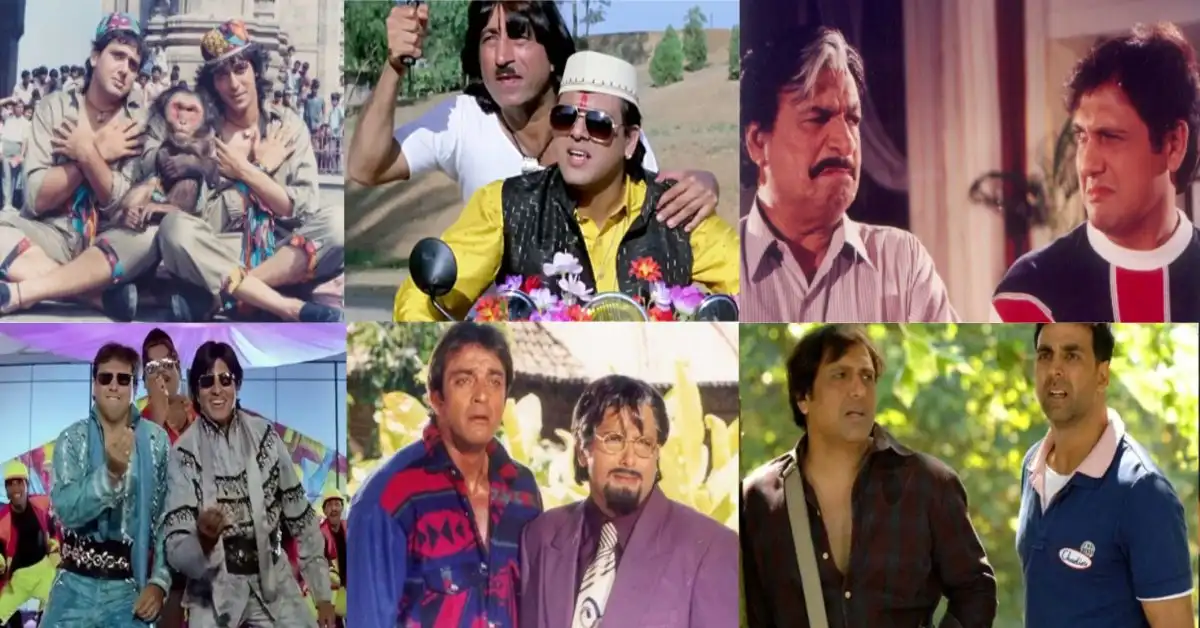
The Peak Years: When Single-Screens Caught Fire
The journey into the 90s started with a mix of action and drama, but 1993 was the year that rewrote history.
Aankhen released and became an all-time blockbuster. It’s India’s net at approximately 12.84 crore, which, if adjusted for 2026 inflation, would be a monstrous number. It wasn’t just a hit; it was a theatrical occupation. It held the screens for months, proving that Govinda could draw in families and front-benchers alike.
Following this, the “No. 1” wave took over. Raja Babu in 1994 and Coolie No. 1 in 1995 both secured Super Hit verdicts.
Look at the math: Raja Babu pulled in 1.57 crore footfalls while Coolie No. 1 recorded 1.48 crore. These aren’t just numbers; they represent a total grip on the national heartland. The momentum continued with Saajan Chale Sasural (1996) and Hero No. 1 (1997), both entering the Super Hit category with footfalls exceeding 1.5 crore and 1.7 crore, respectively.
Even when he shared the screen in Bade Miyan Chote Miyan (1998) alongside Amitabh Bachchan, he held his own to deliver a Hit verdict with 1.63 crore footfalls.
The 2000s Slump And The Comeback Glory
As we entered the 2000s, the theatrical run became erratic.
The audience’s mood shifted towards slicker romances. Solo projects like Shikari (2000) and Albela (2001) were labeled Flops as the occupancy rates in the North Indian circuits started dropping below 30% on the first Monday. The trade thought the sun had set. But then, 2007 happened.
The partner arrived and literally saved his theatrical standing.
Pairing up with Salman Khan, Govinda delivered a Super Hit that netted 60.05 crore in India. According to early trade estimates from that era, the film brought back the family audience to the theatres, recording over 1.44 crore footfalls. It proved that in the right setup, the Govinda Factor was still an explosive theatrical asset.
The Modern Reality: Solo Struggles and April 2026 Standing
Fast forward to the last decade, and the numbers tell a harsher story. The solo comeback vehicle Aa Gaya Hero in 2017 was a monumental Disaster, netting a microscopic 99.75 lakhs.
FryDay (2018) and Rangeela Raja (2019) met similar fates, with Rangeela Raja struggling to even cross the 20 lakh mark. The footfalls for these films were so low that many morning shows in the A-centres were cancelled due to a lack of audience.
As of April 2026, the trade views Govinda as a legacy icon whose theatrical pull is currently limited to supporting roles or massive ensemble cameos.
While the digital buzz for his recent projects remains decent, the theatrical run for solo lead projects has effectively reached a standstill. His upcoming slate, including rumours of a comedy franchise cameo, shows that the industry still respects the name, but the distributors are no longer ready to bet on his solo shoulder.
BoxOfficeWala Verdict: The Unmatched Legacy of the Masala King
My verdict is simple.
Govinda’s box office report card between 1990 and 2026 is the story of a man who owned the single screens like a king but struggled to adapt to the corporate multiplex engine.
His peak was a once-in-a-lifetime phenomenon. To have ten films with over 1 crore footfalls each in a single decade is a feat that few modern stars can dream of.
Looking forward, the lifetime theatrical valuation of his brand remains high because of the Partner template.
If he sticks to high-energy ensembles or “mentor” roles in the 2026 landscape, the ROI will be healthy. But the era of the solo “No. 1” blockbuster is officially in the history books.
For the producers, he is a nostalgia-heavy asset that needs a modern director’s lens to be profitable again. This is not just survival; it is about finding the right theatrical fit in a changing world.
Nitesh Mishra – Box Office Analyst
About the Author

Nitesh Mishra
— Business Analyst (Since 2017)
As a Movie buff with years of experience in film blogging, writing and box office analysis, I specialise in delivering accurate box office insights, movie updates OTT deals and Business Insights. [X, Instagram, Reddit, Threds]