

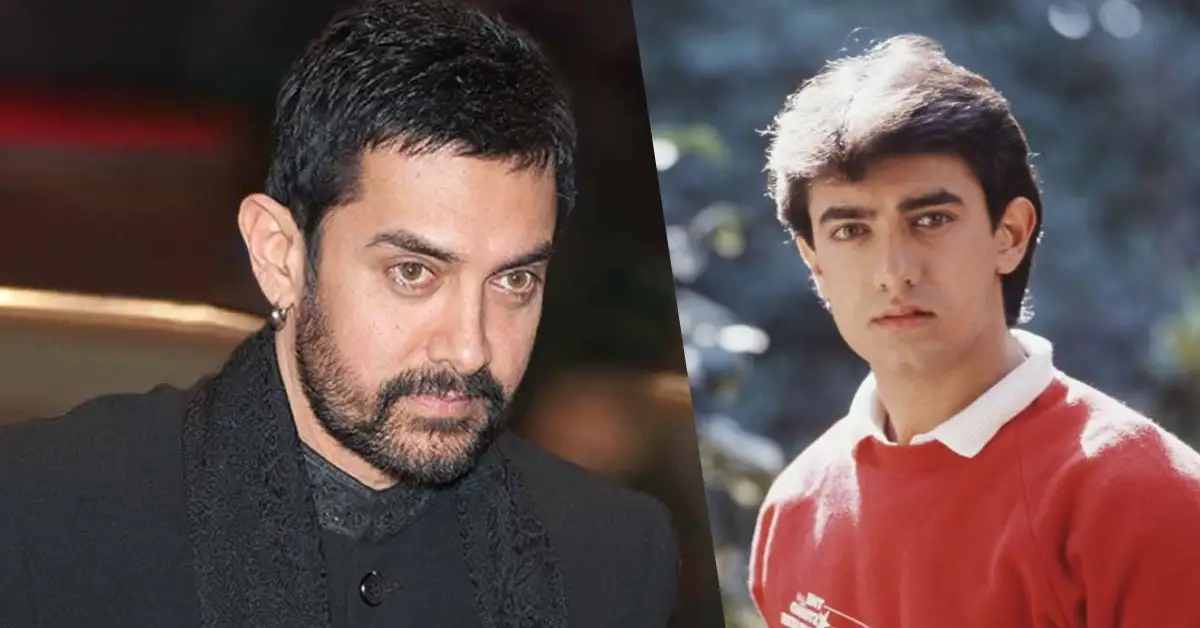
MUMBAI — April 24, 2026. Let us get one thing straight. In the world of box office math, there are stars, there are superstars, and then there is Aamir Khan. We are sitting in April 2026, and the trade is still dissecting the steady theatrical run of his latest offering, Sitaare Zameen Par.
The film has wrapped its lifetime run with a solid India net of ₹165.67 crore and a worldwide gross of ₹266.49 crore.
For a spiritual successor to a classic, made on a budget of ₹122 crore, the verdict is a clean Hit. It isn’t a Dangal-sized earthquake, but after the Laal Singh Chaddha disaster, this is exactly the kind of clinical, high-occupancy sustain that Aamir needed to reclaim his ground.
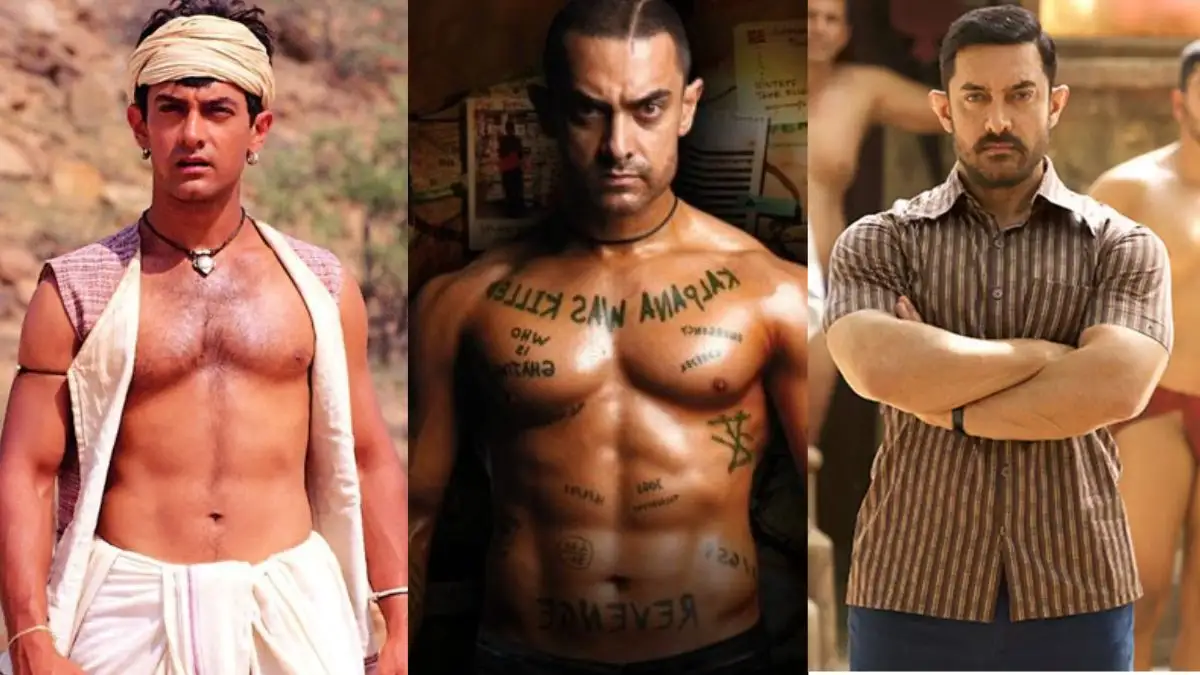
The High-Stakes Game of Mr Perfectionist
If you understand the psychology of the Indian moviegoer, you know that they have a love-hate relationship with “experimental” cinema.
Aamir Khan didn’t just build a career; he built a laboratory.
From 1990 to 2026, his report card is a masterclass in risk management. He is the man who single-handedly invented the 100-crore, 200-crore, and 300-crore clubs in India. But the trade reality in 2026 is different.
The “one film every two years” strategy is a double-edged sword. When it works, like PK or Dangal, it creates a monopoly. When it crashes, like Thugs Of Hindostan or Laal Singh Chaddha, the silence is deafening.
Sitaare Zameen Par was released on June 20, 2025, and the trade was nervous.
Could a sports comedy-drama hold the youth’s attention in an era of action spectacles?
The answer lies in the footfalls. It didn’t open with a ₹50 crore bang. It opened with ₹10.70 crore. But look at the Saturday jump—an 85% spike to ₹19.90 crore. That is the classic Aamir Khan theatrical run. It relies on the family audience and premium multiplexes.
This film didn’t just survive; it thrived on a steady hold, proving that the “Aamir brand” of emotional storytelling still has takers in a post-spectacle market.
Here is a hard reality check for everyone.
We often talk about Aamir as the “Sure Shot” star, but his career success ratio stands at roughly 55%. That is lower than what many fans would assume.
For every 3 Idiots, there is a Mela. For every Lagaan, there is a Mangal Pandey. The current audience mood is ruthless—they don’t care about your past records if the trailer doesn’t promise a new experience.
Do you think any other superstar could have survived back-to-back blowouts like Thugs and Laal Singh and still commanded a ₹100 crore plus lifetime for a non-actioner?
The math says no.
Breaking Down Four Decades Of Numbers
1990 To 1999: The Rise Of The Chocolate Boy
The 90s started with a thunderous Blockbuster in Dil (1990), which dominated the circuits. But then came a phase of erratic theatrical runs.
Between Awwal Number and Isi Ka Naam Zindagi, Aamir saw multiple Disasters. The turning point was Jo Jeeta Wohi Sikandar (1992), which earned an Average to Hit verdict and helped build his urban youth fan base.
Then came 1996. Raja Hindustani hit the screens and literally stopped the nation. It was an all-time blockbuster, netting over ₹43 crore in 1996—numbers that were unheard of. He followed this with the Super Hit Ishq and the gritty Hit Sarfarosh. By the end of the 90s, Aamir was no longer just a romantic lead; he was a theatrical force to be reckoned with.
2000 To 2009: The Club Creator
This decade changed the grammar of Indian cinema. Lagaan (2001) became a global phenomenon and a domestic Hit.
Dil Chahta Hai redefined the multiplex audience. But the real explosion happened in the late 2000s. In 2008, Ghajini became the first film to cross the ₹100 crore mark in India. Just a year later, 3 Idiots shattered that record, becoming the first ₹200 crore grosser.
Distributor data shows that 3 Idiots registered over 3.1 crore footfalls, a level of sustain that remains a trade legend.
2010 To 2026: The Global Phenomenon And The Slump
The 2010s were essentially Aamir competing with himself. Dhoom 3 (2013) brought the ₹250 crore mark, PK (2014) brought the ₹300 crore mark, and Dangal (2016) reached a historic ₹374 crore India net. Dangal also became a monster in China, proving that Aamir’s brand was pan-global.
However, the “Perfectionist” tag took a hit with Thugs Of Hindostan (2018). It opened with a Bumper ₹50.75 crore but saw a 45% drop on day two, ending as a Flop.
Laal Singh Chaddha (2022) was even worse, wrapping its run as a Disaster with just ₹59 crore.
Finally, Sitaare Zameen Par in 2025 provided the much-needed oxygen. Early trade estimates for his 2026 projects—including a heavily rumoured collaboration with Rajkumar Hirani—suggest that the industry is ready to bet big on him again.
BoxOfficeWala Verdict: The Legend Of The Long Game
My verdict is simple.
Aamir Khan is the only actor who can disappear for three years, deliver a disaster, and still have the entire industry waiting for his next Friday. His report card proves that he is a “Director’s Actor.”
When the vision is clear, he breaks the theatrical ceiling. When the execution falters, the fall is equally steep.
As we look toward 2026 and 2027, Aamir’s lifetime collection is poised for another massive jump. He has pivoted away from the remake trap of Laal Singh and back toward original, high-concept dramas like Sitaare Zameen Par.
This is a good sign for the distributors. For the producers, he remains a high-cost but high-reward asset. He is a filmmaker disguised as an actor, and in 2026, that is exactly what the box office demands.
Nitesh Mishra – Box Office Analyst
After the ₹266 crore global run of Sitaare Zameen Par, do you think Aamir Khan should strictly stick to the “emotional drama” genre that he owns, or should he attempt another big-budget actioner like Dhoom 3 to reclaim the mass circuits?
Let me know your trade logic in the comments!
About the Author

Nitesh Mishra
— Business Analyst (Since 2017)
As a Movie buff with years of experience in film blogging, writing and box office analysis, I specialise in delivering accurate box office insights, movie updates OTT deals and Business Insights. [X, Instagram, Reddit, Threds]