

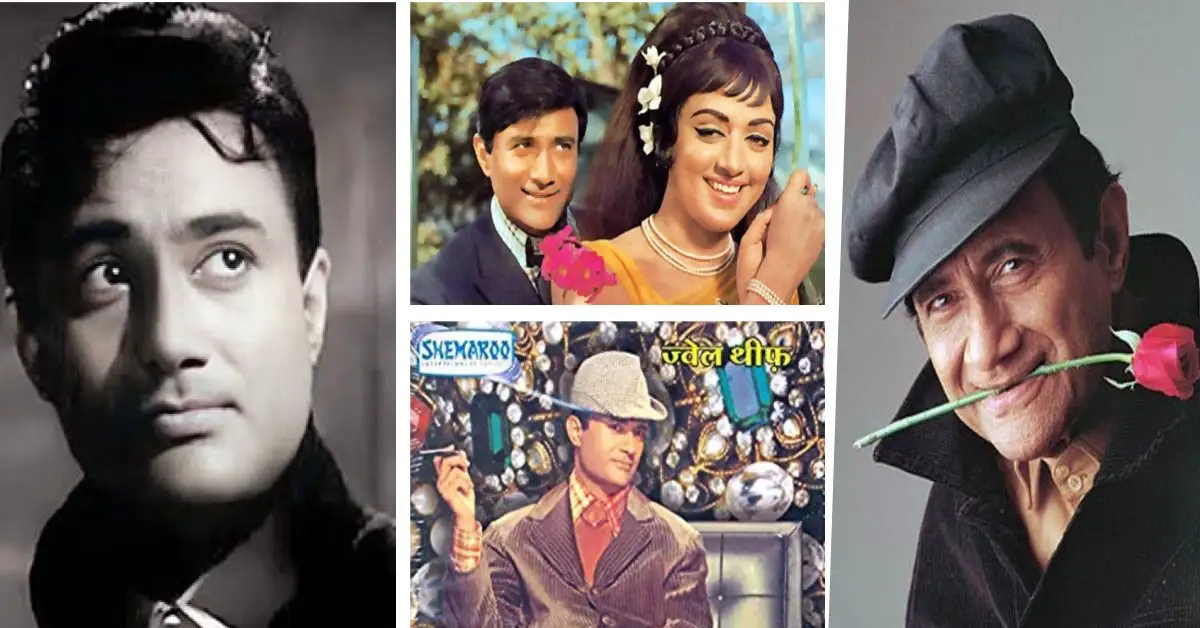
MUMBAI — April 2026. Listen to me very carefully. If you want to understand the sheer, unadulterated madness of the Indian movie business, you have to look at the box office report card of Dev Anand between 1990 and 2011.
This isn’t just about tickets and popcorn; it is a saga of a man who refused to believe the trade logic.
The Theatrical run of Dev Anand’s late-career films is a sea of red ink, but the brand value in 2026 is higher than ever.
We are talking about a legend whose final films, like Chargesheet, struggled to cross even ₹5 lakhs in India net, yet whose restored classics saw a massive 80% occupancy in multiplexes just a couple of years ago during his centenary celebrations. The math is brutal, but the legacy is evergreen.
A Showman Out Of Sync With Time
If you understand the psychology of the 90s and early 2000s moviegoer, you know they were moving toward high-gloss NRI romances and gritty underworld dramas.
Dev Anand, meanwhile, was still making films with the heart of the 1950s and the technology of a student project. The trade circles in the early 90s were actually hopeful. He directed and starred in Awara Number in 1990, bringing in the then-rising star Aamir Khan.
On paper, it was a solid collaboration. But the audience’s mood was shifting.
Distributor data shows that Awwal Number managed a lifetime India net of approximately ₹1.75 crore against a budget that was slightly higher. It was labelled a Flop.
The single screens in the heartland didn’t buy into the cricket-cum-terrorism plot. But did that stop him? Absolutely not.
He followed it up with Sau Crore in 1991, which was based on the sensational Syed Modi murder case. Again, the theatrical run was short-lived, and the film crashed out with a Flop verdict. The problem wasn’t the ideas; it was the execution that felt increasingly eccentric to an audience raised on the slickness of the new age.
The reality check here is simple.
Even when his films were registering disastrous occupancy rates, Dev Anand never lacked the “Paisa Vasool” spirit. He was self-funding and self-distributing through his Navketan banner. This meant that while the “Distributor” in the traditional sense wasn’t losing money, the brand’s theatrical stamina was being pushed to its absolute limit.
Can you name any other actor-director who would continue to release films theatrically after ten consecutive disasters? You can’t. That is the Dev Anand enigma.
The Decade Of Disasters And Digital Mismatch
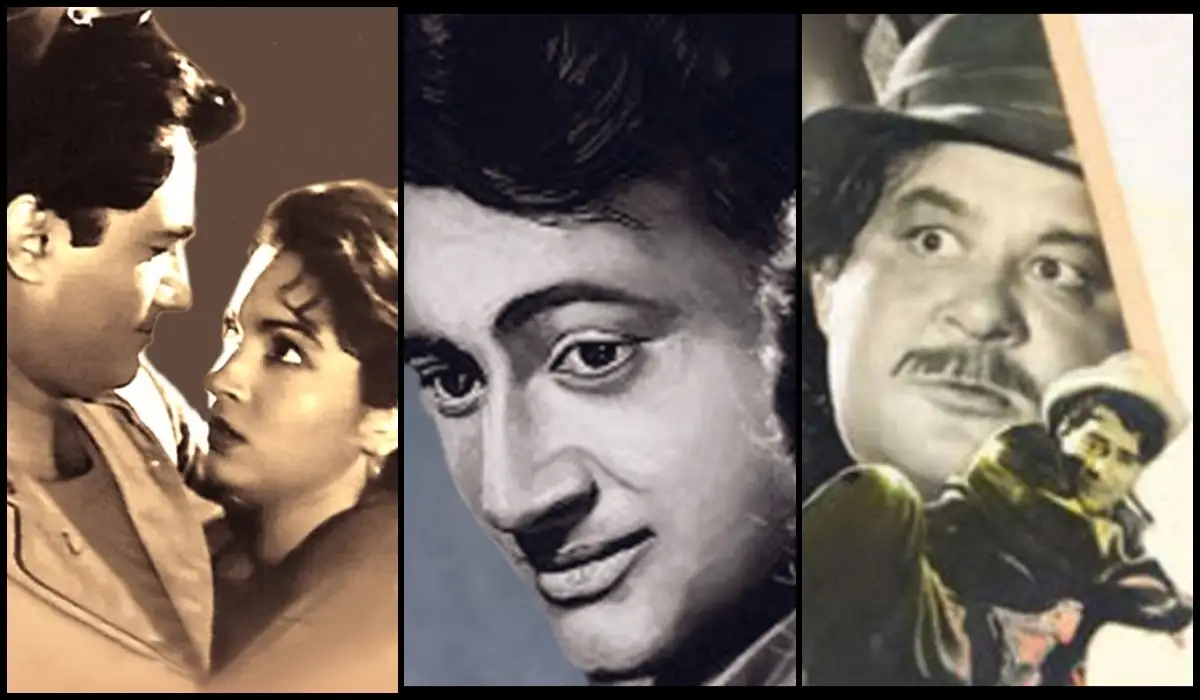
The 90s Struggle: Gangster and Main Solah Baras Ki
By the mid-90s, the box office equations had changed. The trade was now dominated by the Khans. Dev Anand released Gangster in 1994 and Main Solah Baras Ki in 1998.
Main Solah Baras Ki was a monumental Disaster. With a budget of around ₹1.75 crore, the film could only scrap together a lifetime India net of roughly ₹15.25 lakhs. The footfalls were microscopic. In major territories like CP Berar and CI, the film struggled to stay in theatres for even a full week.
The 2000s Eccentricity: Censor and Love At Times Square
As we moved into the new millennium, the gap between the legend and the ticket-window reality became a canyon. In 2001, he brought Censor, a film about the censor board. It had a stellar cast, including Rekha and Hema Malini. Distributor data indicates it managed an India net of just ₹39.50 lakhs.
Then came Love At Times Square in 2003, which was shot extensively in New York. Despite the high-profile setting and cameos, the film was a Disaster with a measly ₹17.25 lakhs India nett.
The low occupancy rates were a direct result of the “generational disconnect.” The youth, who now controlled the multiplexes, found his filmmaking style too jarring. The theatrical run for these films was basically a vanity exercise.
Finally, his last bow, Chargesheet in 2011, ended with an India net of just ₹4.20 lakhs. It was a heartbreaking end to a theatrical career that once defined the golden era of Bombay cinema.
The Resurgence: The Restoration Economy Of 2023-2026
But wait, the story doesn’t end in 2011. In 2023, the trade witnessed something extraordinary. For his 100th birth anniversary, the “Forever Young” film festival brought restored versions of Guide, Johny Mera Naam, and Jewel Thief back to the big screen.
According to early trade estimates, these screenings in 30 cities across India saw a massive surge in footfalls. Multiplexes in Mumbai and Delhi reported 70% to 80% occupancy for weekend shows of Guide.
This is the real box office story of Dev Anand in the 2020s. His legacy films are currently outperforming his late-career original releases by a huge margin. The ROI on restoration and re-release has become a legitimate business model.
In 2026, the demand for “Vintage Dev Anand” on the big screen is steady hold, proving that while the new content failed, the original brand is an All Time Blockbuster in the hearts of cinema lovers.
BingeTake Verdict: The Legend Outlives The Ledger
My verdict is decisive.
If you judge Dev Anand by his 1990-2011 report card, it is a commercial catastrophe. He gave a string of nearly ten back-to-back disasters.
Any other filmmaker would have been erased from the trade history. But Dev Anand was an institution. He didn’t make movies for the distributors; he made them for his own soul.
Looking forward to 2026 and beyond, the “lifetime collection” of his brand will continue to grow through re-releases and digital streaming rights. This is good news for the Navketan archive.
The theatrical run of his restored classics in 2023 proved that the audience will pay for “The Legend,” not the “Directorial Eccentricity.” His late-career failures are just a footnote to a career that actually built the foundations of the Indian box office.
Nitesh Mishra – Box Office Analyst
About the Author

Nitesh Mishra
— Business Analyst (Since 2017)
As a Movie buff with years of experience in film blogging, writing and box office analysis, I specialise in delivering accurate box office insights, movie updates OTT deals and Business Insights. [X, Instagram, Reddit, Threds]