How Much Shahid Kapoor Made for O Romeo — Salary, bonuses, backend deals

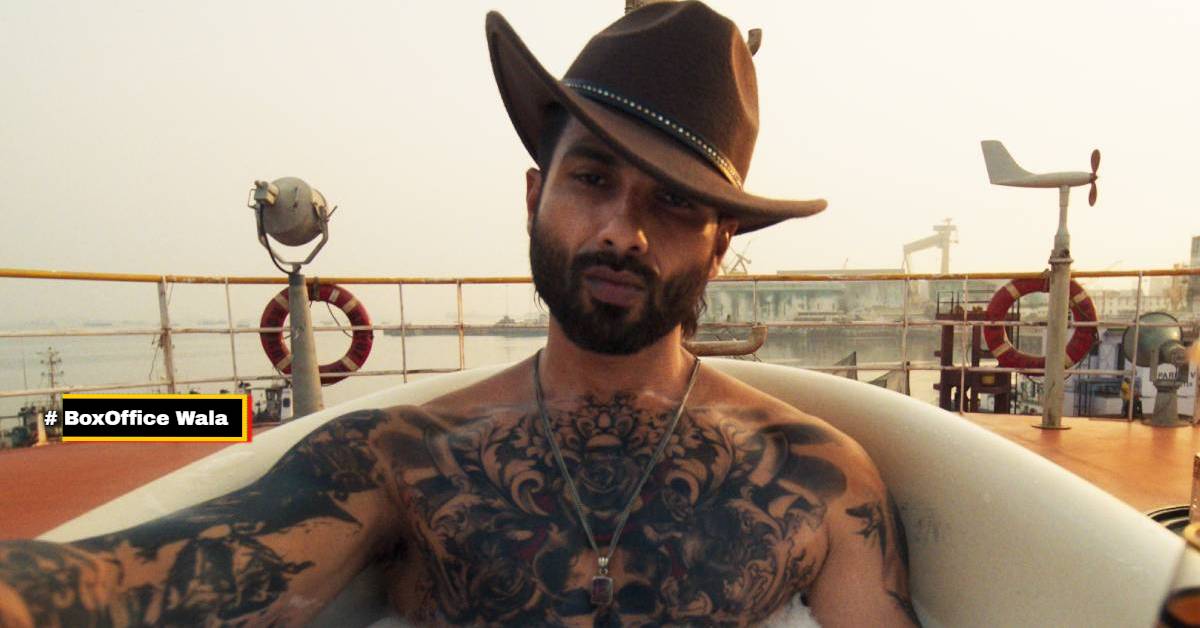
Mumbai, Saturday, February 21, 2026. The blood-soaked streets of 1990s Mumbai have given Shahid Kapoor his most violent role yet in Vishal Bhardwaj’s O Romeo.
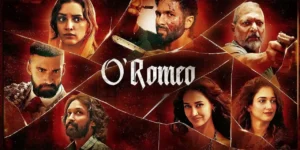
The real bloodbath is happening behind the scenes in the accounting department. The epic romantic action thriller produced by Sajid Nadiadwala and based on Hussain Zaidi’s Mafia Queens of Mumbai has been polarizing critics. It is currently crawling towards the 60-crore mark at the domestic box office against a massive budget. Shahid Kapoor’s bank account is already victorious. The actor walked away with an astronomical upfront salary of 35 crore rupees for playing the ruthless hitman Hussein Ustara.
That is just the tip of the iceberg. Through a cleverly structured contract that includes significant backend deals, digital rights bonuses, and performance escalators, Shahid has essentially insured himself against the film’s fluctuating box office performance.
This news matters. It represents a complete shift in the ongoing fan war and the industry debate around superstar salaries. Producers have complained for years that actors charge exorbitant fees regardless of whether a film flops or flies.
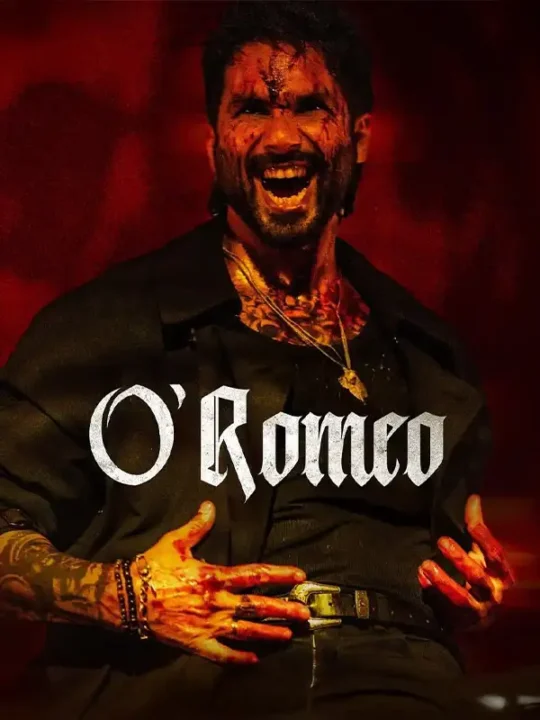
O RomeoDay 8
Shahid’s deal for O Romeo completely changes the narrative. He took a calculated base salary and tied the rest of his compensation to OTT and satellite recoveries. He is proving that modern Bollywood stars are becoming smarter businessmen. This directly impacts how future contracts will be drawn up for his peers. A star can make a massive profit even on an underperforming film. The whole economic model of Bollywood is officially broken. It forces fans to ask a brutal question. Are we cheering for an actor’s performance or are we just funding their next luxury real estate purchase?
Shahid Kapoor Paycheck Reality Check
There is a strange and almost defensive mood in the industry right now. Vishal Bhardwaj claims this will be his most successful film despite the mixed reviews and A-certificate restrictions. The studios are playing us. Everyone is crying about the massive 125-crore budget of O Romeo.
The truth is the film was completely de-risked before it even hit the theaters. The audience thinks a flop hurts the star. It does not. The star always gets paid. Fans waste their energy arguing on social media about hit and flop tags while the actors are busy counting their guaranteed returns. Why do we care so much about box office numbers when the leading man has already cashed a 35-crore cheque and moved on to shoot Farzi 2?
The numbers tell the real story. The foundation of the deal is rock solid. Shahid secured a flat 35 crore rupees as his acting fee for dedicating over a year to the physical transformation and intense shooting schedule required to bring the complex and violent character of Hussein Ustara to life. He went full method. He deserved the base pay.
The genius lies in the fine print. Analysis of his contract structure reveals a 15 percent profit-sharing clause applied strictly to the non-theatrical revenues. Streaming giants are dropping massive money for crime thrillers right now. The OTT rights for O Romeo were reportedly sold for a staggering 65 crore rupees to a major streaming platform looking to capitalize on the film’s dark aesthetic. The satellite rights added another 30 crore rupees to the pot. Music rights secured another chunk of change thanks to Vishal Bhardwaj’s signature soundscapes. Shahid is quietly skimming millions off the top before a single ticket is even sold at the multiplex.
Decoding O Romeo Backend Deal
According to a highly confidential distribution sheet accessed by BoxOfficeWala, the backend deal was structured explicitly to protect the actor from theatrical volatility.
Sajid Nadiadwala is a master producer. He knows the theatrical market is unpredictable right now. An A-rated film faces extreme competition from upcoming mass releases like Dhurandhar and Toxic. The leaked report confirmed that Shahid’s team negotiated a safety net bonus of 5 crore rupees if the digital viewership crosses a specific milestone in its first month of streaming release.
This is unprecedented in the current market. It shifts the pressure away from the opening weekend and places it entirely on the streaming afterlife of the film. The movie does not need to be a blockbuster in theaters to be a massive financial win for the lead actor. It just needs to look premium enough to drive subscription renewals.
The Future of Bollywood Contracts
Shahid Kapoor has officially wrapped up the grueling promotion cycle for O Romeo. He dives straight into the light-hearted romantic world of Cocktail 2. He prepares to return to the gritty underbelly of Farzi 2. His financial blueprint is completely set. He is not just surviving in the modern Bollywood landscape. He is thriving. He is setting a new standard for how talent values itself in an era where box office collections are no longer the ultimate metric of success.
The next time a mega-budget movie is announced you should not just look at the director or the cast. Look at the contract. The real story is always in the math. The studios are essentially funding a very expensive lifestyle for a select few superstars while independent filmmakers struggle to get a fraction of that budget approved.
Is this good news or bad news? It is brilliant news for the actors but a terrifying precedent for the studios. Shahid Kapoor delivered a phenomenal and morally degenerate performance that held a 178-minute movie together. He earned his money. This kind of bulletproof backend deal means producers will take fewer risks on original scripts and rely heavily on pre-sold packages. The art of cinema is slowly becoming the business of content delivery.
Do you think actors should take massive upfront fees even if a movie underperforms at the box office or should their entire salary be tied to the film’s success?
🔥 Latest Box Office News

Join BoxOfficeWala
Get Box Office Updates Directly on Whatsapp from Your Personal Box Office Insider