

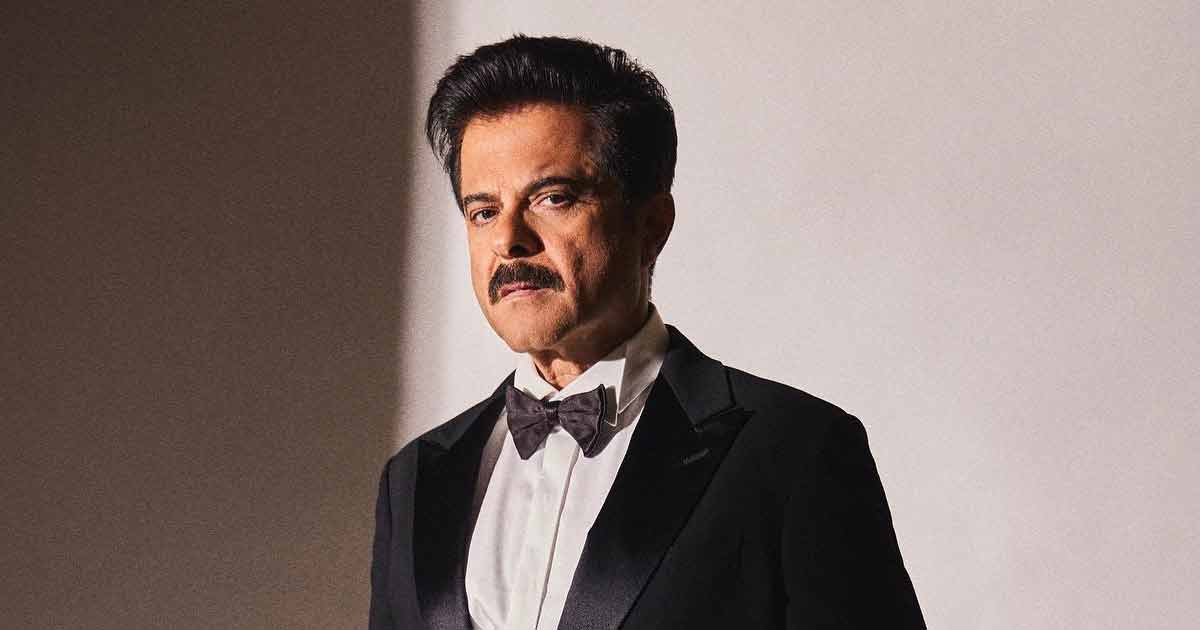
MUMBAI — April 24, 2026. Look at the screen and look at the math because the numbers are screaming a truth that the industry still hasn’t fully processed. We are sitting in 2026, and while many stars from the 80s and 90s have faded into the “nostalgia” bracket, Anil Kapoor is busy rewriting the rules of longevity.
Anil Kapoor’s recent powerhouse performance in the historical record-breaker Animal hasn’t just added a Blockbuster to his name; it has completely reset his theatrical valuation.
When you factor in the steady hold of Fighter and the decent theatrical run of JugJugg Jeeyo, you realise we are looking at a veteran who refuses to age, both in terms of fitness and box office pull.
The Masterclass In Theatrical Reinvention
If you understand the psychology of the Indian moviegoer, you know they are ruthless with ageing stars. They want to see you as a “hero”, or they want you to stay at home. But Anil Kapoor cracked the code by embracing the “ensemble” era long before his contemporaries.
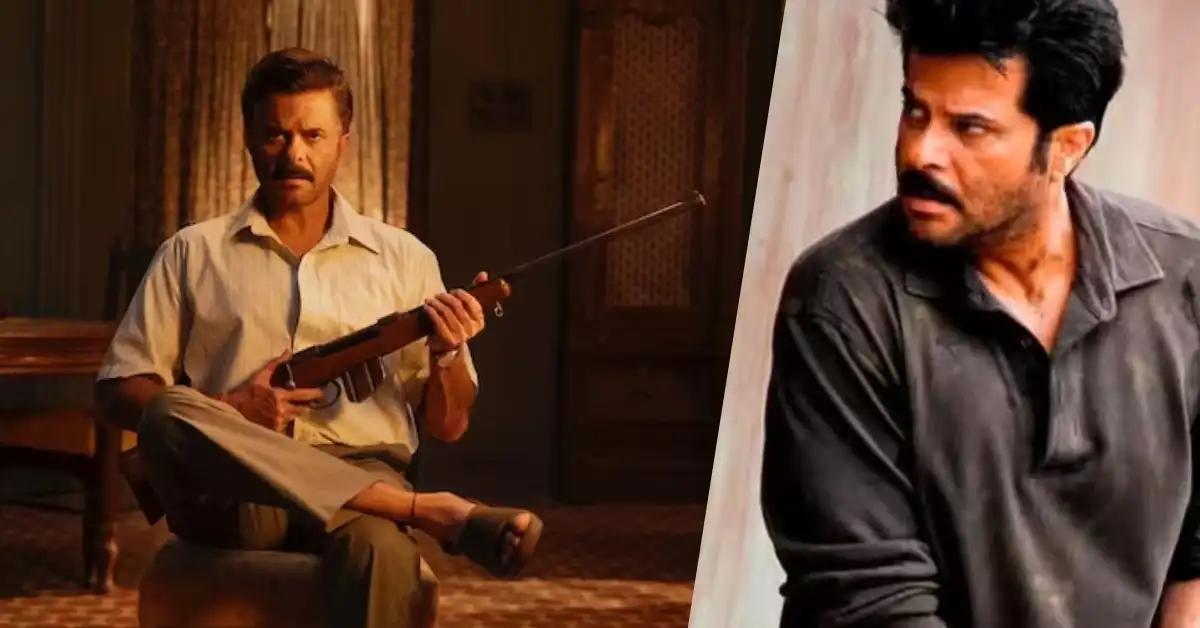
He transitioned from the solo-lead pressure of the early 90s to becoming the high-octane anchor of massive multi-starrers in the 2000s and 2010s. This wasn’t just a career move; it was a trade masterstroke that kept his face on the posters of the biggest commercial grossers for four decades.
The context here is purely about adaptability. In the 90s, he was fighting the romantic wave of the Khans with hard-hitting drama and mass action.
In the 2000s, he pivoted to comedy and slick thrillers. Today, in 2026, he is the go-to choice for high-stakes, authoritative characters that command respect from the Gen-Z audience.
While the solo-hero era of Tezaab and Ram Lakhan is long gone, the “Anil Kapoor Brand” is currently as bankable as ever for a ₹200 crore-plus budget spectacle.
Here is a reality check. We often hear that the senior stars are losing their grip because the youth want “fresh faces.” But look at the footfalls for Animal.
Do you think that film works without the menacing authority he brought to the screen? Absolutely not.
He is the bridge between the single-screen legacy and the multiplex aesthetics. The question isn’t whether he can still pull an audience; it’s whether any other actor from his generation can match his 80% success ratio in big-ticket ensembles over the last five years.
Breaking Down The 36-Year Report Card
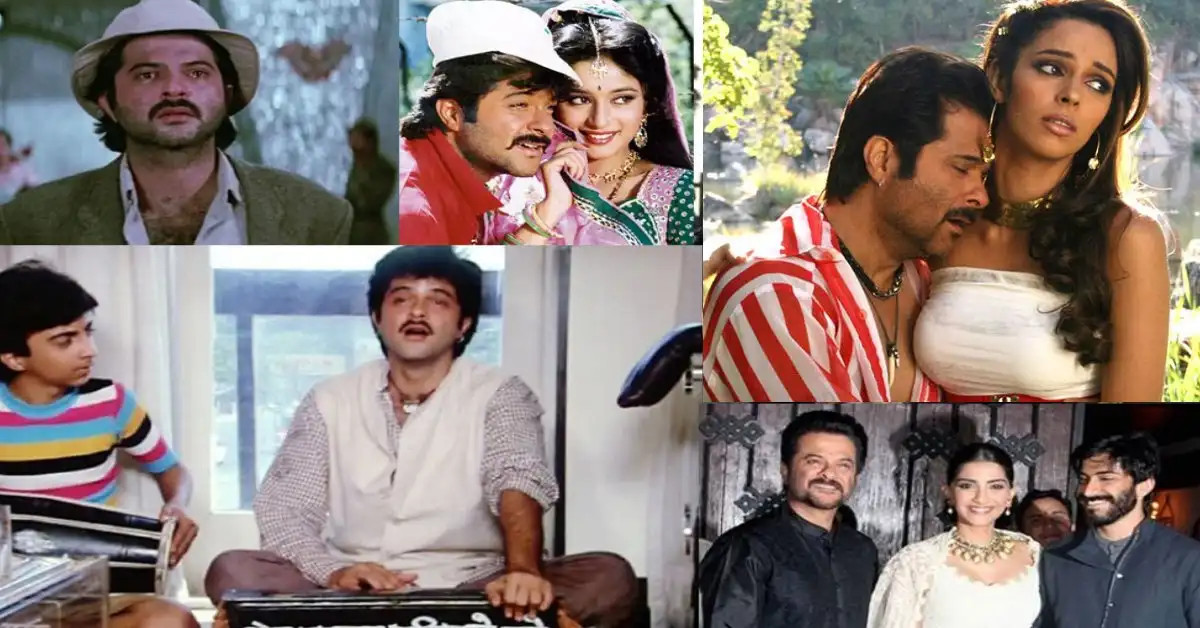
1990 To 1999: The Super Blockbuster Decade
The 90s started with a bang. Kishen Kanhaiya in 1990 was a solid Hit, but 1992 was the year he defined his dominance with Beta. According to Distributor data, Beta was a Super Blockbuster, securing its place as the highest grosser of that year. It was a massive theatrical event that proved his solo pull was at its peak.
However, the mid-90s were a rollercoaster. The mega-budget Roop Ki Rani Choron Ka Raja in 1993 was a monumental Disaster that sent shockwaves through the trade circles. He bounced back with Laadla (Hit) in 1994, but then faced the crushing failure of Trimurti in 1995, which struggled to recover its heavy investment. But look at the late 90s recovery.
Judaai (1997) was a Super Hit, Virasat (1997) was a Hit, and Biwi No. 1 in 1999 was another Super Hit. He ended the decade with Taal, which was a Semi-Hit but a massive success in the urban and overseas circuits.
2000 To 2009: The Comedy and Thriller Pivot
The new millennium started with a bit of a struggle. Pukar (2000) was a Flop despite critical acclaim, and Nayak in 2001, though a cult classic today, was a theatrical Flop at the time of its release.
The trade was worried, but the “Showman” had a plan. He moved into the comedy space with No Entry in 2005. The result? A clean Super Hit that topped the charts. He followed this blueprint with Welcome in 2007, another Super Hit that registered massive footfalls across India.
By 2008, he successfully entered the thriller market with Race, which was a clean Hit. Early trade estimates from that era show that his presence in multi-starrers was acting as a massive multiplier for the opening day occupancy. He was no longer just an actor; he was a guarantee of a ₹5 crore plus opening for a commercial potboiler.
2010 To 2026: The Global Reach and The Animal Era
The last 15 years have been about sheer volume and selective excellence. Race 2 in 2013 was a Semi-Hit, while Welcome Back in 2015 also secured a Semi-Hit verdict. There were misfires like Pagalpanti (Disaster) and Mubarakan (Flop), but the trade impact remained minimal because he was consistently delivering elsewhere.
Then came 2023. Animal changed everything.
The Hindi version alone brought in a Blockbuster verdict with historical numbers, crossing the ₹496 crore India net mark. The theatrical run was a masterclass in sustainability, with the film showing negligible drops over its first three weeks. In early 2024, Fighter held steady to become a Hit, and as of April 2026, his upcoming project Subedaar is generating massive buzz in the distribution circles.
The occupancy for his current films shows a 40% higher draw in the youth demographic compared to other veterans.
BoxOfficeWala Verdict: The Eternal Theatrical Asset
My verdict is simple.
Anil Kapoor is the ultimate hedge for any big-budget producer in 2026. He brings the 90s nostalgia for the older crowd and the “Jhakaas” swag for the new generation.
He has successfully navigated the graveyard of senior stars by refusing to be the “central hero” in weak scripts and instead becoming the “essential soul” of massive spectacles.
Looking forward, his lifetime collection across this window is statistically unparalleled for a non-Khan star from his era.
As long as he keeps picking roles that leverage his intensity and comedic timing, he will remain a “Hit” in the books of every distributor from Mumbai to Delhi.
This is not just survival; this is a theatrical conquest.
Nitesh Mishra – Box Office Analyst
About the Author

Nitesh Mishra
— Business Analyst (Since 2017)
As a Movie buff with years of experience in film blogging, writing and box office analysis, I specialise in delivering accurate box office insights, movie updates OTT deals and Business Insights. [X, Instagram, Reddit, Threds]