
Did Ranveer Singh Just Overpay? The ₹40 Crore Meluha Deal Explained

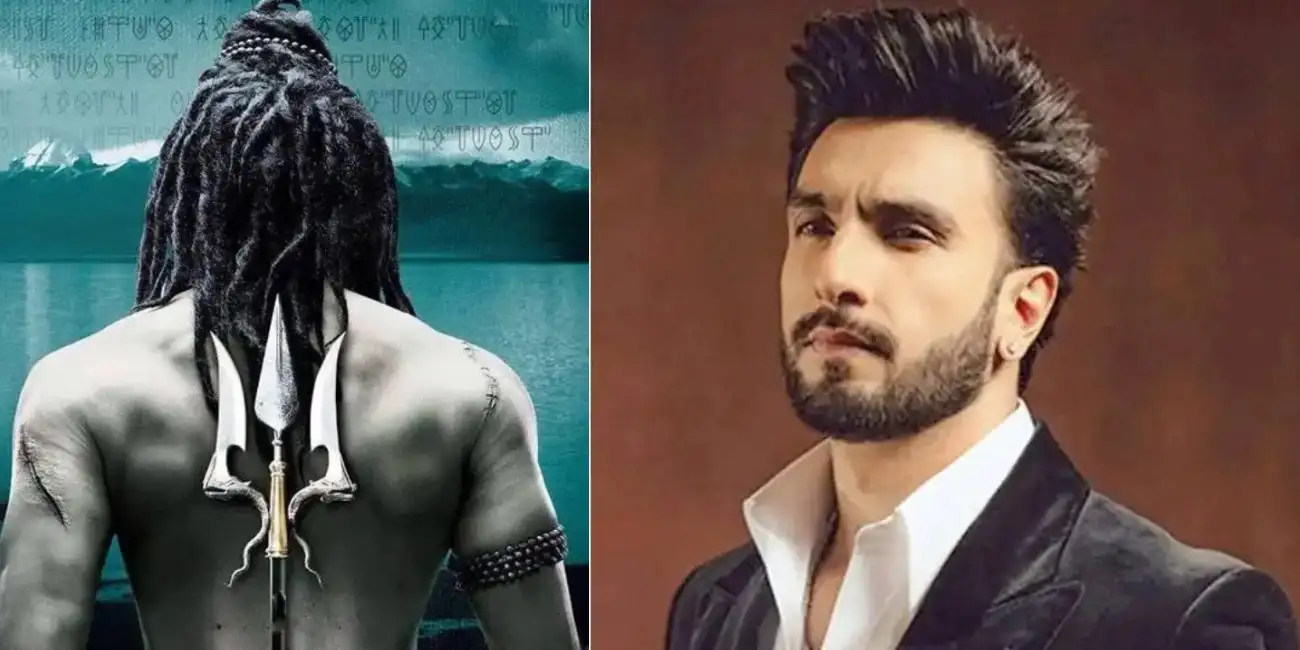
Inside Ranveer Singh’s Massive ₹40 Crore Acquisition of The Immortals of Meluha Trilogy Rights
MUMBAI — The Indian film industry is witnessing a tectonic shift in how superstars manage their career portfolios. Ranveer Singh has just sent shockwaves through the trade by reportedly acquiring the rights to Amish Tripathi’s The Immortals of Meluha trilogy for a staggering Rs. 40 crores.
This is not just an actor signing a new film; this is a power move that signals the arrival of Ranveer Singh, the producer-mogul.
Following the historic success of his Dhurandhar duology, Singh is no longer just looking for a paycheck. He is looking for ownership. By securing the rights to one of India’s most successful literary IPs (Intellectual Property), he is positioning himself at the centre of a massive mythological franchise that could define the next decade of his career.
The Business of Intellectual Property in 2026
The price tag of Rs. 40 crores for just the book rights is a number that would have been unthinkable five years ago. Typically, book-to-screen rights in India ranged between Rs. 2 crores to Rs. 10 crores for top-tier bestsellers. However, the market has evolved. In 2026, the value of a proven “universe” is worth more than any individual star’s fee.
For Ranveer, paying this premium ensures he controls the creative and financial narrative of the Shiva Trilogy. The ROI (Return on Investment) here isn’t just about the theatrical window; it is about the long-tail revenue from digital acquisitions, satellite rights, and potential gaming or merchandise tie-ins.
When an actor of Ranveer’s stature puts his own capital—or at least his production house’s muscle—behind a project, the leverage during negotiations with streamers like Netflix or Amazon Prime Video changes completely. He is no longer an “actor for hire.” He is the primary stakeholder. This deal suggests that the Dhurandhar success has given him the financial cushion to take high-stakes risks that most actors would shy away from.
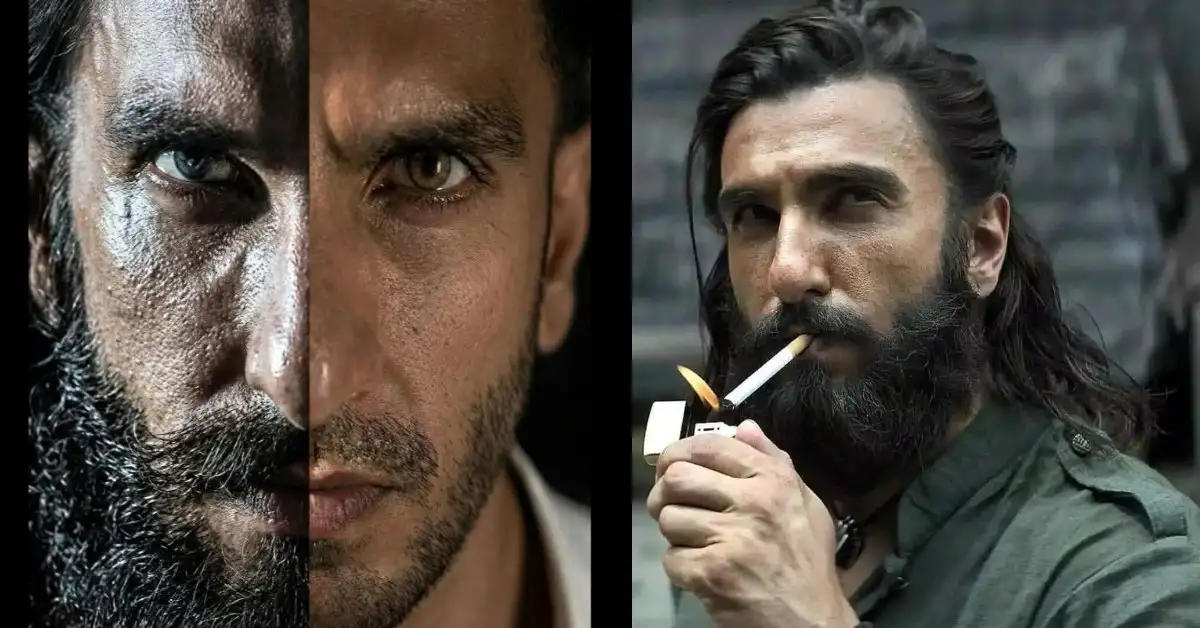
Why the Shiva Trilogy is a Strategic Goldmine
The timing of this acquisition is perfect.
The Indian audience’s appetite for “Grand Mythological Epics” has never been higher.
We are seeing a trend where audiences reject mediocre social dramas but flock to theatres for large-scale, culturally rooted spectacles. By choosing Lord Shiva as his next major character, Ranveer is tapping into a pre-sold audience.
Amish Tripathi’s books have sold millions of copies globally, meaning the marketing team already has a massive head start.
But let us look at the reality for a second. Can any actor, no matter how talented, truly do justice to the complex, layered character of Shiva that Amish wrote? We have seen many “epic” adaptations fail because they focused too much on the VFX and too little on the soul of the source material.
Is Ranveer’s high-energy persona a fit for the calm yet fierce Mahadev? Or is this move more about the business of being a “Pan-India” star than a purely creative choice? The trade is divided, but the numbers suggest that the gamble is worth the potential Rs. 1,000 crore global box office ceiling.
Breaking Down the Financial Scale
According to reports from Bollywood Hungama, this deal was closed directly with Amish Tripathi, marking one of the most expensive literary acquisitions in Asian cinema history. To put that Rs. 40 crores into perspective, that is the entire production budget of a mid-sized Bollywood film. If the rights alone cost this much, the production budget for the trilogy is expected to hover around Rs. 600 crores to Rs. 800 crores.
The Estimated Revenue Funnel
- Theatrical Window: With a wide release across North and South India, the first film alone will need a Rs. 300 crore domestic net to be considered a hit.
- Digital Rights: A trilogy of this scale could easily fetch Rs. 150 crores to Rs. 200 crores in a pre-release deal from global streaming giants.
- Satellite & Music: Another Rs. 50-70 crores in the bag before the first trailer even drops.
- Backend Deals: Ranveer is likely looking at a profit-sharing model rather than a flat fee, which could see his personal earnings triple if the films hit the Dhurandhar levels of success.
Pinkvilla also noted that Singh is reportedly collaborating with Birla Studios for the production, ensuring that the project has the massive corporate backing required to execute a vision of this scale. This partnership is crucial because a project like Meluha requires more than just a superstar; it requires a supply chain of world-class VFX houses and international distribution networks.
👇 Receive Box Office Updates, sent directly to your device by your personal Box Office Insider. 👇
👇 Join the inner circle 👇
The Industry Shift: From Salaries to Assets
What we are seeing here is the “Americanization” of the Indian superstar business model. Much like Tom Cruise or Ryan Reynolds, Ranveer Singh is moving toward an asset-light model for studios but an asset-heavy model for himself. By owning the rights, he isn’t just waiting for a director to call. He is the one hiring the director.
This shift reduces the “star-fee” burden on the production budget and moves it into the “equity” column. It is a smarter way to do business in an era where box office volatility is high.
BoxOfficeWala Verdict
This is the boldest move by a Bollywood actor in the last decade. Ranveer Singh is essentially betting Rs. 40 crores on his own ability to draw crowds.
If The Immortals of Meluha is executed with the gritty, grounded realism that the books deserve, it will be a legacy-defining franchise. The trade impact is clear: the era of the “simple actor” is dying.
The era of the “actor-entrepreneur” is here.
Ranveer is not just playing Shiva; he is trying to own the mountain.
Nitesh Mishra – Box Office Analyst
Join BoxOfficeWala
Get Box Office Updates directly on WhatsApp from your personal Box Office Insider.
You May Have Missed
About the Author

Nitesh Mishra
— Business Analyst (Since 2017)
As a Movie buff with years of experience in film blogging, writing and box office analysis, I specialise in delivering accurate box office insights, movie updates OTT deals and Business Insights. [X, Instagram, Reddit, Threds]