
Dhanush and director Rajkumar Periasamy enter the November 20 release of O.M: Operation Mole under a restructured Wunderbar Films paycheck model.
Originally backed by Gopuram Films as D55, the thriller stalled over rising salary demands before Dhanush’s banner and RTake Studios rescued it in January 2026. Whether the star and his Amaran filmmaker took upfront cash or backend profits comes down to who signed the checks.
When casting sheets circulated in February, Dhanush’s acting quote sat between ₹24 crore and ₹45 crore while Rajkumar Periasamy demanded a steep raise off Amaran.
That math broke the deal. Gopuram Films walked out once Mammootty locked ₹24 crore alongside Sai Pallavi’s ₹12 crore, leaving zero cushion for hefty hero advances. I checked how talent agencies structured the rescue paperwork under Wunderbar Films, and the split between cash and equity is clear.
Rajkumar Periasamy took a guaranteed upfront fee because his post-Amaran box office clout gave him the upper hand in negotiations. Compare that with Dhanush’s standoff on D56 with Dawn Pictures, where he demanded ₹65 crore cash over a profit share.
On O.M: Operation Mole, Dhanush flipped his own playbook.
Dhanush OM Movie Salary
Look, you don’t pay yourself a ₹45 crore salary when your own banner is funding a ₹150 crore spy thriller.
Dhanush waived an external paycheck and rolled his fee into co-producer equity with RTake Studios, tying his upside to Netflix streaming and Sun TV satellite recoveries.
Tamil Nadu rights fetched ₹30 crore—and Kerala jumped 64 per cent above Raayan, handing Wunderbar Films quick liquidity while Periasamy kept his cash fee.
Mammootty & Sai Pallavi’s ₹36 Cr O.M. Pay Catch
Mammootty and Sai Pallavi locked ₹36 crore in combined upfront salaries for Wunderbar Films’ O.M.: Operation Mole ahead of its November 20, 2026 release. Those guaranteed payouts consumed nearly a quarter of the thriller’s ₹150 crore budget before cameras rolled in February. That cash drain left Dhanush facing a hard accounting choice on his own banner’s payroll.
When Gopuram Films launched D55 in November 2024, producer G. N. Anbu Chezhiyan expected standard star quotes.
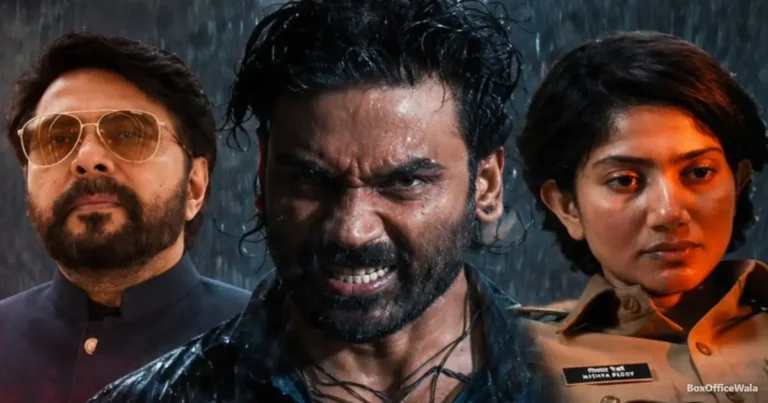
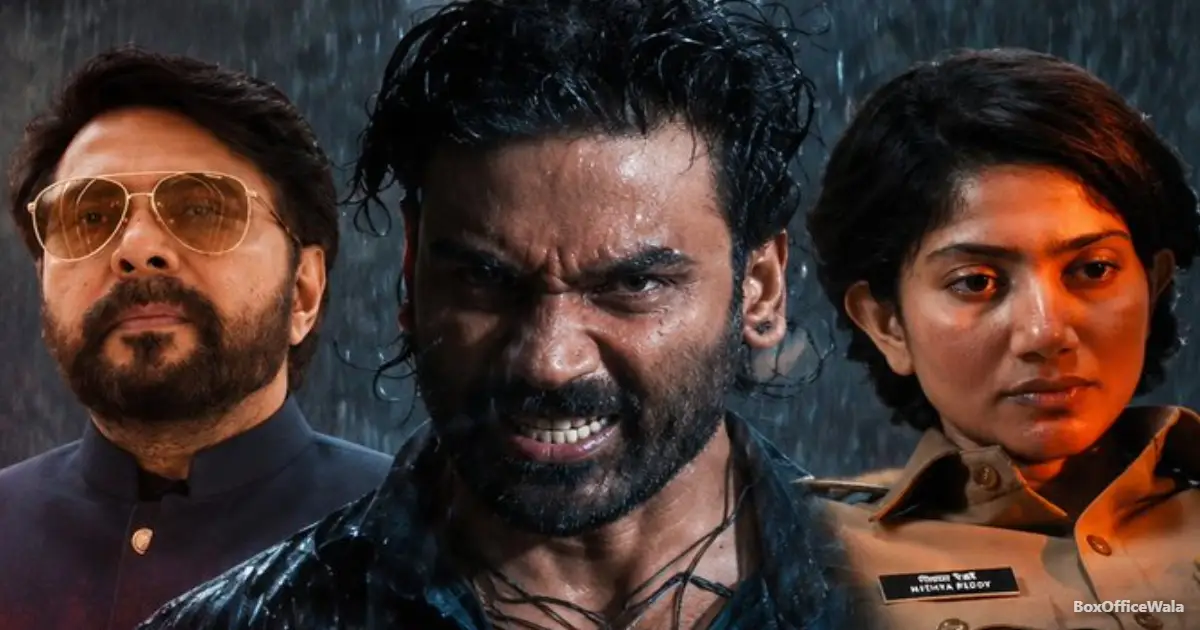
Everything shifted once Mammootty signed on for ₹24 crore across a 35-day schedule alongside Sai Pallavi’s ₹12 crore deal. I tracked how talent agencies priced both stars during late-2025 talks, and neither camp budged on upfront liquidity.
Gopuram Films exited rather than absorb that crunch.
Fresh off Nitesh Tiwari’s ₹1,000-crore hit Ramayana, Sai Pallavi commanded peak market rates while Mammootty returned to Tamil cinema seven years after Peranbu. Both stars held strong bargaining power.
Adding Sreeleela and composer Sai Abhyankkar at ₹3 crore each pushed fixed talent bills past ₹42 crore before Dhanush’s ₹45 crore quote landed.
Wunderbar Films and RTake Studios rescued the shoot on January 22, 2026, only because Dhanush left the cash payroll.
Point is, you can’t wire ₹36 crore upfront to co-stars and still draw ₹45 crore cash from your own company.
Dhanush rolled his fee into backend equity while Mammootty and Sai Pallavi banked every rupee before release. That deferral sustained filming until Binu George Alexander Productions and AGS Cinemas locked distribution advances—freeing capital for post-production.