
Ritesh Deshmukh’s Raja Shivaji Finale: The Hidden Meaning Behind The Quiet Ending

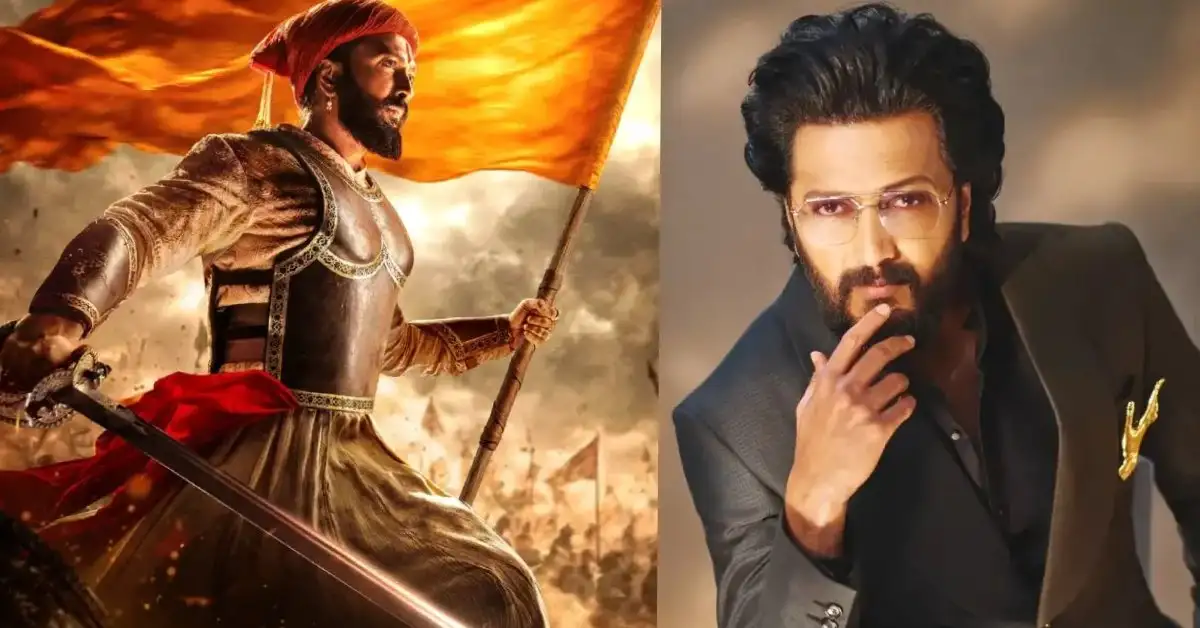
Decoding the Raja Shivaji Final Shot: How Ritesh Deshmukh Reimagined the Maratha King’s Greatest Victory
Listen, if you walked out of the theatre after Raja Shivaji feeling a lump in your throat instead of just wanting to whistle at the screen, you are not alone. I have been tracking Ritesh Deshmukh’s passion project for years, and let me tell you, the way he chose to wrap up this first chapter is pure cinematic gold.
Most historical epics in India follow a set template: big battle, loud music, and a slow-motion victory walk. But Ritesh, acting as both the lead and the director, decided to flip the script.
The film has been shattering records since its release on Maharashtra Day, and the buzz is not just about the scale or the massive box office numbers. It is about that hauntingly beautiful final shot. That specific silhouette of the young King against the horizon has sparked endless debates on social media.
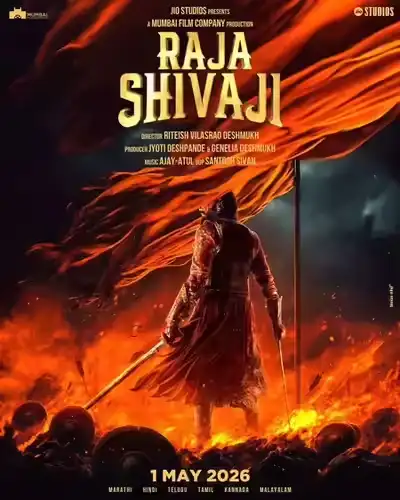
People are asking why a movie about such a legendary victory ends on such a quiet, almost heavy note.
The Strategic Genius of the Pratapgad Finale
To understand the ending, we first have to look at how the movie treats the encounter with Afzal Khan. Usually, this is shown as a pure physical brawl.
In Raja Shivaji, however, the focus is on the mental chess match. Sanjay Dutt as Afzal Khan is terrifying—he is built like a mountain and carries the ego of an empire.
The movie uses a brilliant metaphor here, comparing Afzal to a massive elephant trying to dominate the forest, while Shivaji is the lion, waiting for the perfect moment to strike.
The tension during the meeting at the foot of Pratapgad is thick enough to cut with a blade.
When the Bagh Nakh (tiger claws) finally come out, it is not just an act of violence; it is an act of survival for an entire culture.
According to reports from the production team, Ritesh wanted this scene to feel grounded and gritty rather than superhero-like. The victory is swift and bloody, but the film does not stop there to celebrate. It immediately pivots to the cost of that victory.
Decoding the Emotional Weight of Raja Shivaji Final Silhouette
The final shot shows Shivaji standing alone, silhouetted against the vast landscape of the Sahyadri ranges. He has just secured a massive win, yet there is no smile on his face. This is where the movie gets deeply personal.
Throughout the film, we see the bond between Shivaji and his elder brother, Sambhaji Shahaji Bhosale, played with incredible gravity by Abhishek Bachchan. The movie reminds us that while the Maratha flag is flying high, the family has paid a price in blood.
That final silhouette represents the birth of a leader who realises that Swarajya (self-rule) is a heavy burden. It is not just about conquering forts; it is about the lives of the Ryot (the common farmers and people) and the sacrifices of their own kin. By ending with a quiet silhouette instead of a loud coronation scene, Ritesh is telling us that this is only the beginning of a long, painful journey.
It is a moment of reflection before the storm of the next two films in this planned trilogy.
👇 Receive Box Office Updates, sent directly to your device by your personal Box Office Insider. 👇
👇 Join the inner circle 👇
Why the Human Side Beats the Superhero Tropes
One specific observation that really hit home for me was how the film handles Shivaji’s humanity. There is a scene earlier where a teenager Shivaji, is moved to tears by an old woman’s complaints about the destruction of Pune.
This sets up the ending perfectly. When we see him in that final shot, he isn’t just a “warlord” or a “conqueror.” He is a man who feels the weight of every soldier lost on the battlefield.
The industry mood right now is shifting. We have seen enough larger-than-life actioners where heroes are invincible.
Raja Shivaji succeeds because it dares to show the King as a relatable human figure who feels grief. Why settle for a generic action hero when you can have a visionary leader who carries the hopes—and the sorrows—of his people on his shoulders?
This “quiet dignity” in the finale is what sets the film apart from every other historical biopic we have seen in the last decade.
Looking Ahead to the Chhatrapati Phase
It is important to note that this film is titled Raja Shivaji and not Chhatrapati Shivaji for a very specific reason.
The story concludes before his official coronation in 1674.
It focuses on the era when he was establishing his identity and fighting for the survival of his vision. This explains the legal hurdles the film faced regarding its title; the makers were very clear that they were depicting the “Raja” phase of his life.
The ending serves as a perfect bridge to the next instalment. It leaves the audience hungry for more, but also gives them a moment to breathe and respect the history. The final shot is a promise.
A promise that the next chapter will be even bigger, but it will never lose its soul. For a Marathi film to achieve this level of technical brilliance while keeping its emotional core intact is a massive win for regional cinema.
In my view, this is the best version of Ritesh Deshmukh we have ever seen. He has managed to balance the commercial demands of a “Sanjay Dutt vs. Ritesh” face-off with a soulful, artistic ending that stays with you long after you leave the hall.
It is a bold move to end a blockbuster on a silent note, but it is exactly what makes Raja Shivaji a masterpiece instead of just another hit.
The Marathi film industry has finally found its true-blue global epic.
Gulshan Mishra – Journalist
Do you think ending the movie on an emotional silhouette was better than a loud, celebratory victory dance? Let me know your thoughts in the comments!
Join BoxOfficeWala
Get Box Office Updates directly on WhatsApp from your personal Box Office Insider.
You May Have Missed
About the Author

Gulshan Mishra
Journalist
BoxOfficeWala News Desk have experienced reporters and analysts focused Team Lead by our Best Journalist Gulshan Mishra.